

In a significant administrative shake-up following the recent massive schedule collapse at IndiGo, the Directorate General of Civil Aviation (DGCA) has taken action against officials responsible for oversight. The move signals growing pressure on the regulator to enforce stricter compliance and prevent such widespread travel disruptions.
Key Official Relieved of Duties
The official in charge of the Flight Standards Directorate (FSD) has been removed from the position. This directorate holds critical responsibilities, including monitoring pilot duty time limits and overseeing the flight operations of airlines. An additional director, who was holding the additional charge as FSD director, has been relieved of that role. This officer will now only handle the "airspace & air navigation service standards" wing. Notably, this officer has also been facing allegations of career advancement based on a fake educational degree.
This action comes on the heels of the earlier decision to send four flight operations inspectors, who were working with the DGCA, back to their parent airline. These inspectors were largely perceived as scapegoats for the systemic issues plaguing the regulator.

The Trigger: IndiGo's Operational Meltdown
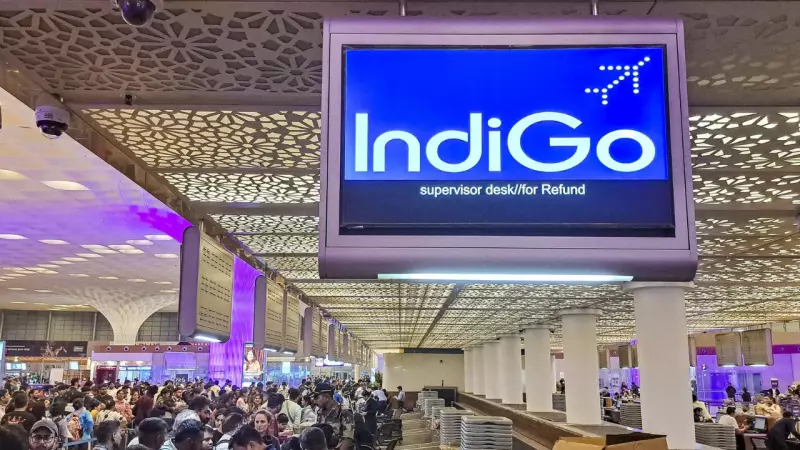
The catalyst for this crackdown was the major operational crisis at IndiGo earlier this month, which led to the disruption of approximately 5,000 flights. This event laid bare significant gaps in the regulatory oversight mechanism, forcing the ministry to act. Sources indicate that the roles of other key officials within the DGCA are also under scrutiny, and "more action is on the cards."
Calls for a Complete Regulatory Overhaul
Industry experts and senior government officials agree that these individual actions, while notable, may not be sufficient. There is a broad consensus that the DGCA is in dire need of a complete revamp. The current structure is often criticized as an under-staffed body operating under the direct influence of the aviation ministry.
Several reports on restructuring the DGCA have advocated for transforming it into an independent, autonomous, and self-funded civil aviation authority, similar to models in the United States and Europe. This would theoretically allow it to function with greater professional integrity and operational efficiency.
Aviation veterans point to a pattern of institutional shortcomings in 2025. They cite the controversial probe into the AI 171 crash, which raised questions about the Aircraft Accident Investigation Bureau's capabilities, and the crash of the Delhi air traffic control system, which highlighted the Airports Authority of India's delays in modernizing ATC infrastructure. "Each agency has a lot to answer for," remarked industry old-timers.
The effectiveness of the current disciplinary measures remains to be seen. However, they underscore a pivotal moment for Indian aviation regulation, where incremental fixes are being demanded to give way to foundational structural reform.






