

Ghaziabad Municipal Corporation Rolls Out Major Property Tax Rebates Following Public Protests
In response to widespread protests over a significant property tax increase, the Ghaziabad Municipal Corporation (GMC) has unveiled a comprehensive set of rebates designed to alleviate financial pressure on residents. This decision comes after the Allahabad High Court upheld the corporation's revised tax structure, prompting civic action to address community concerns.
Detailed Rebate Structure Approved by GMC Board
During a crucial board meeting held on Saturday, municipal authorities approved multiple rebate categories. A key initiative includes a 10% reduction in property tax for housing societies, institutions, and individual residents who implement waste segregation at source. This measure aligns with the upcoming Solid Waste Management Rules, 2026, scheduled to take effect from April 1.
Municipal Commissioner Vikramaditya Malik Singh elaborated on existing incentives, noting that GMC already provides a 20% rebate for timely tax payments. Additional discounts are tied to building age: 25% for properties under 10 years old, 32.5% for those between 10 and 20 years, and 40% for structures older than 25 years. Furthermore, taxpayers receive an extra 2% rebate for utilizing online payment methods.

"When combining all available rebates, the total reduction ranges from 77% to 92%," Singh stated. "The board has thoroughly reviewed this proposal, and we believe it addresses the core issues raised during protests."
Background: Court Ruling and Tax Hike Implementation
The controversy stems from a February 25 ruling by an Allahabad High Court division bench, comprising Chief Justice Arun Bhansali and Justice Kshitij Shailendra. The court dismissed a petition filed by three former GMC councillors, affirming the legality of the corporation's method for determining minimum monthly rent rates and revising property tax in accordance with DM circle rates.
Since April 1 of last year, GMC introduced a new property tax slab that resulted in increases of approximately three to four times. Under this revised structure, rates jumped from Re 0.7 to Rs 4 per square foot, translating to an additional annual tax burden of around Rs 5,000 for many consumers.
Political Reactions and Future Implications
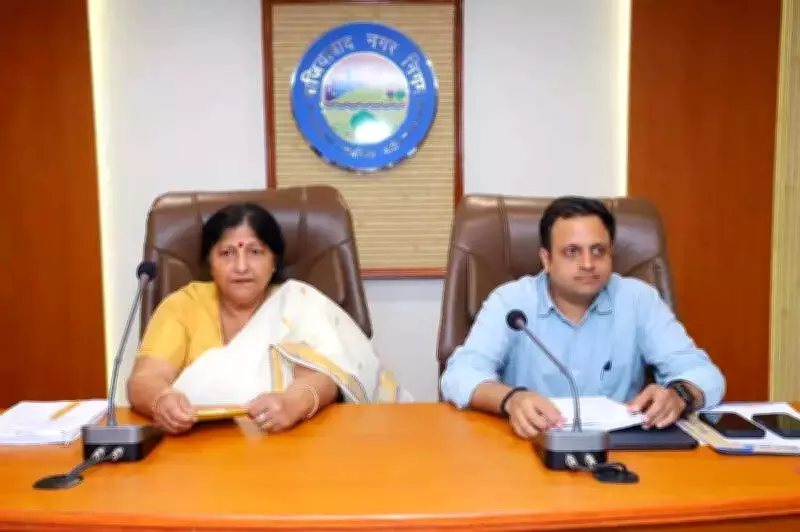
Mayor Sunita Dayal confirmed the board's acceptance of the rebate proposal, emphasizing that it will remain in effect unless future decisions alter the policy. "The board has vetted the rebate plan and will forward the decision to the state government for further review," Dayal announced.
However, former GMC councillor Rajendra Tyagi, one of the petitioners in the high court case, expressed skepticism. "This appears to be a piecemeal solution aimed at disrupting protest momentum," Tyagi remarked. "There is no clear implementation roadmap, and despite rebates, tax rates remain elevated compared to pre-hike levels." He cited Raj Nagar Extension as an example, where property tax increased from Rs 1.45 to Rs 4 per square foot, and even a 50% reduction would keep rates higher than before.
Tyagi added that protesters are monitoring the situation closely and may consider challenging the decision in the Supreme Court if necessary.
Financial Impact and Revenue Projections
GMC calculates property taxes based on annual rental value, with the civic body currently managing over 6 lakh taxpayers. The tax hike is expected to generate additional revenue exceeding Rs 120 crore. In the fiscal year 2025-26, GMC collected Rs 375 crore from property tax, and authorities have set an ambitious target of Rs 450 crore for FY 2026-27.
This strategic move by GMC aims to balance revenue generation with resident affordability, promoting sustainable practices like waste segregation and digital payments while addressing legal and social challenges head-on.






