Goa IT Department Formulates Policy to Curb Social Media Use by Minors Under 16
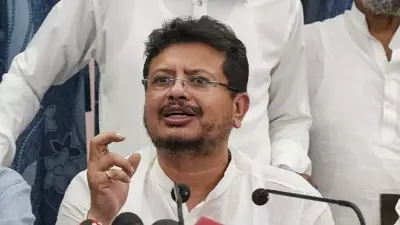
In a significant move to address growing concerns over digital safety, the Information Technology department of Goa has initiated the formulation of a comprehensive policy document aimed at imposing curbs on the use of social media platforms by minors under the age of 16. IT Minister Rohan Khaunte announced that while the regulation of social media falls under the jurisdiction of the central government, the state will prepare and submit detailed recommendations to the Union government for consideration and potential implementation.
Committee Constituted to Study Impact and Safeguards
The department has constituted a dedicated committee to thoroughly study the multifaceted impact of social media platforms on minors and to identify possible regulatory safeguards that can be effectively put in place. Minister Rohan Khaunte chaired the inaugural meeting of this committee, which saw active participation from a diverse group of stakeholders including representatives from the industry, academia, and departmental officials.
"Although the subject of social media regulation squarely falls under the domain of the central government, the state of Goa is proactively examining the psychological, social, and cybersecurity risks associated with minors' online activities, while simultaneously ensuring that essential educational tools, including those powered by artificial intelligence, remain unaffected," stated IT Minister Rohan Khaunte. "The draft recommendations are scheduled for review next month and will subsequently be submitted to Chief Minister Pramod Sawant before being formally sent to the Union Ministry of Electronics and Information Technology," he elaborated.

Stakeholders Highlight Critical Digital Concerns
During the committee meeting, stakeholders brought to light several emerging and pressing concerns. These included the rising trend of digital dependency among children, noticeably reduced attention spans, increasing incidents of cyberbullying, and unfettered access to inappropriate online content. A comprehensive concept note was presented, outlining various regulatory measures and frameworks that have been adopted by other countries to tackle similar issues. It was notably pointed out that, as of now, there is no single, comprehensive global framework in place to adequately address these multifaceted digital safety concerns for minors.
Key Suggestions and Proposed Measures
The meeting yielded several concrete suggestions aimed at creating a safer digital environment for children. Key proposals included:
- The introduction and enforcement of robust parental controls and application-level filters on devices and platforms.
- Implementing restrictions on the use of mobile phones within school premises to minimize distractions and promote focused learning.
- Launching extensive awareness and education programmes targeted at parents to equip them with the knowledge to guide their children's online activities.
- The necessity to systematically collect and analyze data on the social media platforms most frequently used by children within the state of Goa.
A strong consensus emerged during the discussions, emphasizing that social media platform owners must bear a significant share of the responsibility. It was suggested that these companies should be mandated to implement a robust technological framework designed to restrict access for children below the age of 16, thereby creating a safer online ecosystem.
Rising Cybercrime Incidents Involving Children
Superintendent of Police (Crime) Rahul Gupta provided concerning statistics, revealing that over the past two years, six specific cases involving children as victims of cyberbullying and related offences, including photo morphing, have been officially reported in the state. This data underscores the urgent need for preventive measures and stronger regulatory oversight.

Collaboration with Tech Industry for Solutions
Representatives from various industry associations proposed collaborative efforts with technology companies to explore and develop innovative solutions. Potential technological interventions discussed included advanced age-detection technologies that could help in accurately verifying user ages and restricting access accordingly.
Striking a Balance Between Access and Safety
Minister Rohan Khaunte emphasized the critical need for a balanced approach. "Children today are often introduced to mobile phones at a very tender age, which can, unfortunately, develop into a serious addiction over time. It is, therefore, imperative for parents to actively take responsibility for their children's digital habits," he said. "The state of Goa needs to strategically strike a balance between enabling beneficial access to educational digital tools and proactively identifying and regulating platforms that may prove detrimental to the well-being and development of our children," Khaunte concluded, outlining the state's dual-focused strategy.