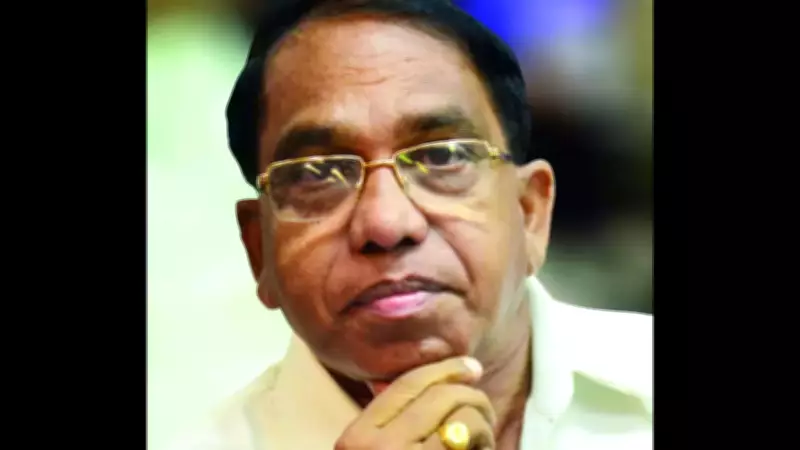
Panaji: Minister for Cooperation Subhash Shirodkar on Thursday released the Goa State Cooperative Policy, a comprehensive framework aimed at improving and modernizing the functioning of cooperative societies across the state. The policy, effective for five years, emphasizes efficiency and transparency through the digitization of cooperative societies and streamlined dispute resolution mechanisms.
Key Objectives of the Policy
The policy seeks to increase the number of cooperative societies in key sectors such as agriculture, small industries, floriculture, horticulture, fisheries, and information technology. By promoting professional management and autonomy, the government aims to strengthen the cooperative movement in Goa.
Autonomy and Professional Training
Narendra Sawaikar, NRI commissioner and former South Goa MP, who contributed to drafting the policy, stated, "One thrust is on providing autonomy to cooperative societies while they function professionally. For this, they need to get training, which is why a training institute is required in Goa. We thought that those who work in the cooperative sector as well as the staff of the department need to get training."

Dispute Resolution Tribunal
Sawaikar added, "There is a need for a separate cooperative tribunal to be established for dispute resolution, which has been proposed in the policy." This tribunal is expected to expedite the resolution of conflicts within cooperative societies, reducing delays and improving trust.
Financial Health and NPA Monitoring
The department has prioritized improving the financial health of cooperative banks and credit societies. A key indicator of this effort is the reduction of loan defaults. The government has established an NPA monitoring cell within the office of the registrar of cooperative societies to track and address non-performing assets.
Minister Shirodkar highlighted the challenge of loan repayment: "Many of the credit societies disburse loans, but repayment remains a challenge. We have told cooperative banks and credit societies that the manager who disburses the loans has an equal responsibility to recover them. That is why we issued a directive that loans disbursed from January 1, 2025, have to be fully recovered."
Shirodkar further noted the success of the monitoring cell: "We created a separate cell to monitor this for the last one year and three months, and we have seen that out of 19,066 loans disbursed amounting to Rs 1,041 crore, just 105 accounts have turned into NPAs, and the NPA amount is only Rs 65 lakhs."
The policy is expected to bring significant improvements to the cooperative sector in Goa, fostering growth and financial stability.