The historic city of Hyderabad in Pakistan's Sindh province is grappling with a severe infrastructure crisis, as its road network has deteriorated into a labyrinth of potholes and crumbling asphalt. This widespread disrepair, a direct result of prolonged administrative neglect and failed governance, has severely disrupted daily life, damaged vehicles, and raised serious public safety concerns.
A City Brought to a Standstill
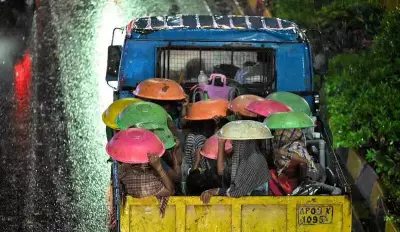
The problem is not confined to a few alleys but plagues major thoroughfares and residential areas alike. Key roads connecting vital parts of the city have transformed into obstacle courses. Residents report that the situation becomes particularly perilous during the monsoon rains, when these gaping potholes fill with water, hiding their depth and posing a grave risk to motorists and pedestrians.
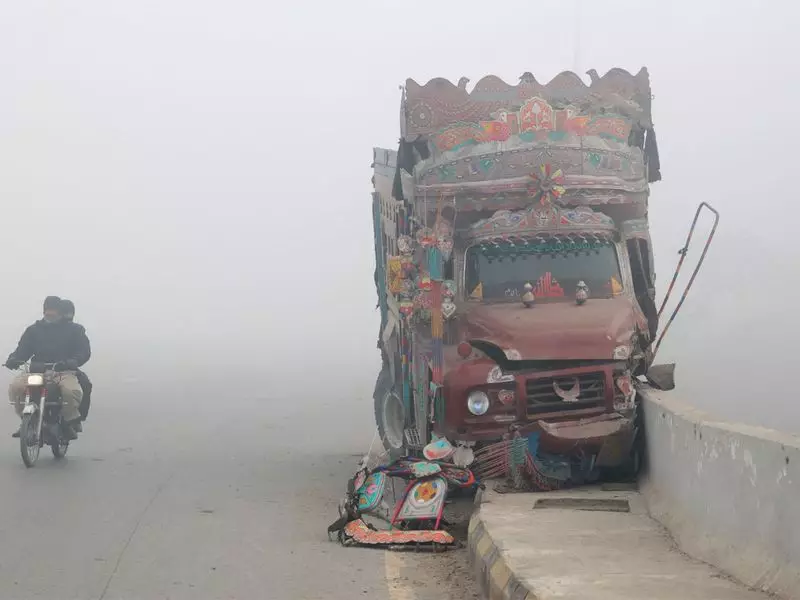
Local citizens bear the brunt of this civic failure. Commuters face extended travel times, increased fuel costs, and frequent damage to their vehicles. Auto-rickshaw and taxi drivers, whose livelihoods depend on mobility, are suffering significant losses due to higher maintenance costs and reduced trips. The poor state of the roads also hampers emergency services, with ambulances and fire engines struggling to navigate the broken terrain swiftly.

Official Apathy and a History of Neglect
Despite repeated complaints and protests from frustrated citizens, the response from municipal authorities and elected representatives has been marked by apathy. Officials from the Hyderabad Municipal Corporation and the local administration have largely turned a blind eye to the growing crisis. Promises of repairs and development projects are frequently made, especially around election cycles, but rarely translate into tangible, lasting action on the ground.
This pattern points to a systemic failure in governance and resource allocation. Funds earmarked for civic infrastructure and maintenance appear to be mismanaged or diverted, leaving essential services in a state of decay. The situation in Hyderabad mirrors a broader issue across many urban centers in Sindh province, where crumbling infrastructure highlights a disconnect between public needs and administrative priorities.
Broader Implications and Public Outcry
The ruined roads of Hyderabad are more than just an inconvenience; they are a stark symbol of failing public service delivery. The crisis affects economic activity, discourages investment, and diminishes the quality of life for hundreds of thousands of residents. It erodes public trust in local governing bodies and fuels discontent.
Community leaders and civil society organizations have been vocal in their criticism, accusing the authorities of gross negligence. They demand immediate, large-scale repair work and a transparent, accountable mechanism for future infrastructure maintenance. The citizens of Hyderabad continue to wait for action, navigating the hazardous roads daily while their calls for a basic civic amenity go unanswered by those in power.