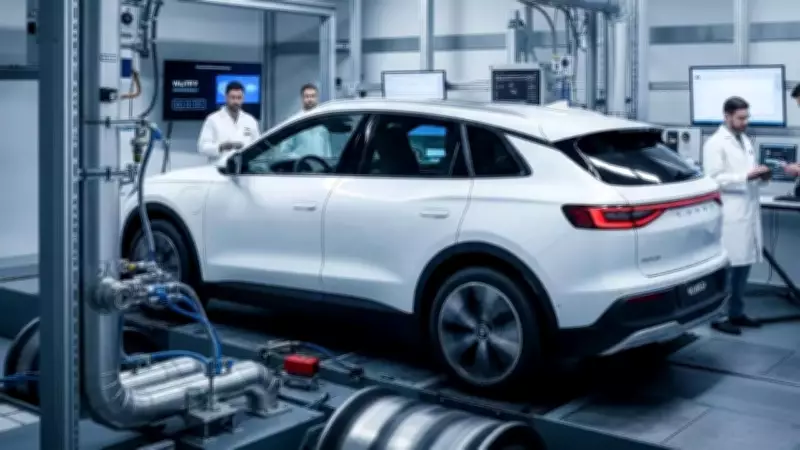
India Mandates WLTP Emission Testing for Vehicles from April 2027
The Indian government has officially announced a significant overhaul of the country's vehicle emission testing framework. Starting April 1, 2027, all BS6-compliant vehicles falling under the M1 and M2 categories will be required to undergo testing using the Worldwide Harmonised Light Vehicle Test Procedure (WLTP). This decisive move aims to align India's automotive standards with global best practices and deliver more realistic data on emissions and fuel efficiency for consumers.
Replacing the Outdated MIDC System
The Ministry of Road Transport and Highways has issued a formal notification amending the Central Motor Vehicles Rules, 1989, to facilitate this transition. The new WLTP protocol will completely replace the currently used Modified Indian Driving Cycle (MIDC). The MIDC system has faced persistent criticism for failing to accurately reflect real-world driving conditions, often resulting in fuel efficiency and emission figures that are misleading for everyday drivers.
Which Vehicles Are Affected?
The shift to WLTP testing will specifically apply to two key vehicle categories:

- M1 Category: This encompasses passenger vehicles such as hatchbacks, sedans, SUVs, and MPVs that are designed to carry up to eight passengers in addition to the driver.
- M2 Category: This includes larger passenger carriers like vans and minibuses with more than eight passenger seats and a gross vehicle weight not exceeding five tonnes.
This comprehensive coverage ensures that a vast majority of personal and light commercial vehicles on Indian roads will be evaluated under the new, more stringent testing regime.
Benefits of the WLTP Testing Protocol
The Worldwide Harmonised Light Vehicle Test Procedure is engineered to simulate actual driving scenarios more accurately than its predecessor. Key advantages include:
- More Realistic Emission Readings: WLTP testing generates data on pollutants like carbon monoxide, nitrogen oxides, and particulate matter that are far closer to the levels vehicles emit during daily use.
- Enhanced Transparency for Buyers: Automakers will be required to publish fuel efficiency figures based on WLTP results, enabling consumers to make better-informed comparisons between different models.
- Alignment with Global Standards: Adopting WLTP brings India in line with international testing norms, promoting consistency and reliability in vehicle performance reporting.
While some official mileage numbers may appear lower on paper under the new system, they will provide a much more honest representation of real-world fuel economy. This shift is poised to empower car buyers with trustworthy information, fostering a more transparent automotive market in India.