

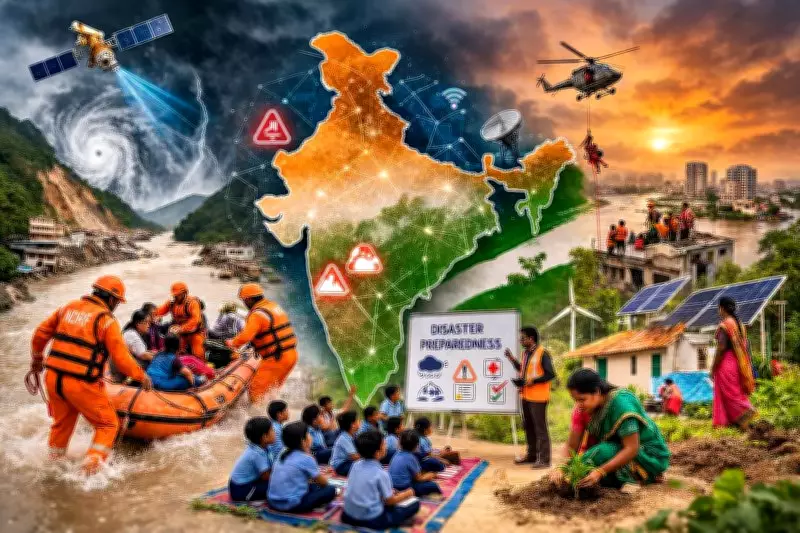
India's Strategic Shift in Disaster Management: From Reactive Relief to Proactive Resilience
India stands as one of the most disaster-prone nations globally, facing a relentless barrage of natural calamities that impact millions of citizens annually. The country's geographical and climatic vulnerabilities are stark: nearly 60% of its landmass is susceptible to earthquakes, approximately 12% of its territory is prone to devastating floods, and thousands of kilometers of coastline remain under constant threat from cyclonic storms. Additionally, landslides, severe droughts, and increasingly frequent heatwaves compound the nation's disaster risk profile, creating a complex and urgent challenge for authorities and communities alike.
The Legacy of Reactive Disaster Response
For many decades, India's disaster management framework operated predominantly within a reactive paradigm. The primary focus was on implementing relief measures after disasters had already struck. This approach centered on critical but post-event activities such as emergency rescue operations for victims, the distribution of financial compensation to affected families, and the extensive, often costly, rebuilding of damaged infrastructure. While these efforts were essential for immediate survival and recovery, they represented a cycle of response that did little to mitigate the underlying risks or reduce the profound human and economic toll of recurring disasters.
The Imperative for a Proactive Transformation
Recognizing the limitations and unsustainable nature of a purely relief-oriented model, India is now undergoing a fundamental and strategic transformation in its disaster management philosophy. The new paradigm emphatically shifts the focus from reactive relief to proactive resilience. This evolution involves building robust systems for preparedness well before disasters occur, implementing effective mitigation strategies to lessen potential impacts, and integrating climate resilience into the core of national and local planning. The goal is to create a society and infrastructure that can withstand, adapt to, and recover from shocks and stresses, thereby safeguarding lives, livelihoods, and economic stability in the face of an uncertain climatic future.

This proactive approach encompasses a multi-faceted strategy. It includes strengthening early warning systems to provide timely alerts, enforcing stringent building codes in vulnerable zones to ensure structural safety, promoting community-based disaster risk reduction programs to empower local populations, and investing in nature-based solutions like mangrove restoration for coastal protection. Furthermore, it involves mainstreaming disaster risk reduction into policies across sectors such as agriculture, urban development, and health, ensuring a cohesive and integrated national effort.
The journey from a culture of reaction to one of resilience is complex and ongoing. It requires sustained political will, significant financial investment, technological innovation, and, most importantly, a profound shift in public awareness and community engagement. As India continues to refine its disaster management framework, the emphasis on building proactive resilience represents a critical and necessary step toward securing a safer, more sustainable future for its vast and vulnerable population.






