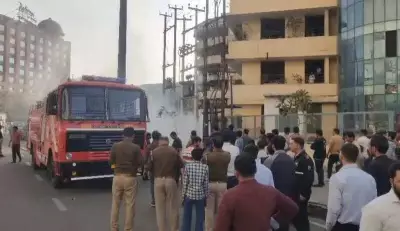
The recent water contamination tragedy in Indore has sent shockwaves across the nation, exposing a deep and systemic rot in India's urban governance framework. At least eight people have died, and more than 200 are hospitalized after consuming contaminated water supplied by the city's municipal corporation. This crisis in a city celebrated as India's cleanest for eight consecutive years raises alarming questions about the state of civic administration nationwide.
A Preventable Crisis Ignored
The outbreak was traced to a breach in a water pipeline in the Bhagirathpura area. Residents had reportedly flagged this critical health hazard over two months before the tragedy, with warnings even coming from the local corporator. These alerts were tragically ignored by officials. The bacterial contamination entered the drinking water supply due to this negligence, highlighting a catastrophic failure in basic monitoring protocols.
Madhya Pradesh's Urban Administration Minister, Kailash Vijayvargiya, further compounded the issue with a dismissive response to a journalist's query, calling it "useless." This attitude starkly contrasts with the disciplinary action later taken against officials and the instituted probe, which only followed the crisis reaching grave proportions.
A National Problem, Not an Isolated Incident
Indore's disaster is not an outlier but a symptom of a widespread national malaise. In December 2024, three people died in Chennai from contaminated piped water. Just a month earlier, students at the Vellore Institute of Technology in Bhopal protested after a jaundice outbreak on campus linked to water supply. Similar outbreaks have been reported in Bengaluru, Noida, and Kochi over the past two years.
These incidents grimly underscore that piped water supply is no guarantee of safety. A major contributing factor is the antiquated infrastructure. Indore's water network, for instance, is approximately 120 years old, a common story in many Indian cities where colonial-era or post-Independence pipelines are still in use, prone to leaks and cross-contamination with sewage lines.
The Broken Promise of the 74th Amendment
At the heart of this governance failure lies the unfulfilled vision of the 74th Constitutional Amendment Act. Enacted over three decades ago, this landmark legislation granted municipalities an expansive mandate covering urban planning, land regulation, water supply, sanitation, and environmental protection.
Today, urban governance bears little resemblance to that vision. While financial constraints are a challenge, even wealthy municipal bodies in cities like Delhi and Mumbai struggle with basic civic functions. Local bodies must own a significant share of the blame for the deteriorating water and air quality crises plaguing urban India.
The Indore tragedy illustrates how municipal inertia stifles infrastructure modernization, even in top-ranked cities. As India continues to urbanize at a rapid pace, its citizens deserve accountable, responsive, and effective local governance. The need for urgent systemic reform, stringent accountability, and massive investment in crumbling urban infrastructure has never been more critical.