

Jaipur's Monumental Cleanliness Drive Sets New Record
The historic city of Jaipur witnessed an unprecedented cleanliness initiative on Saturday as the 'Safai Seva Marathon' mobilized resources to tackle accumulated waste across the Pink City. The Jaipur Municipal Corporation (JMC) orchestrated this massive operation that resulted in the collection of approximately 6,000 tonnes of waste within just 24 hours, marking a significant achievement in urban sanitation efforts.
Exceeding Daily Averages Through Strategic Planning
This extraordinary collection volume represents more than double Jaipur's typical daily waste accumulation, which normally ranges between 2,000 to 3,000 tonnes. The special drive was strategically designed to penetrate areas frequently overlooked during routine cleaning operations, ensuring comprehensive coverage across the city's landscape. Municipal teams systematically cleaned hundreds of garbage depots, major thoroughfares, narrow lanes, and public spaces that often suffer from neglect.
Military Collaboration and Special Focus Areas
The campaign gained additional momentum through collaborative efforts with defense personnel. At the picturesque Jal Mahal ki Pal location within the Hawa Mahal zone, approximately 30 personnel from the Indian Air Force joined forces with 30 jawans from Rajasthan Rural Police Lines alongside regular sanitation workers. This combined team meticulously removed accumulated waste from around the water body, ensured timely emptying of litter bins, and facilitated efficient waste transportation using sanitation vehicles, tractors, and loaders to designated transfer stations.

The Bambala transfer station alone processed an impressive 625 tonnes of waste, while other transfer facilities throughout the city managed continuous inflows throughout the day. This coordinated effort demonstrated the city's capacity to handle large-scale waste management operations when properly mobilized and organized.
Commissioner's Hands-On Supervision and Safety Concerns
JMC Commissioner Om Kasera took personal charge of monitoring the campaign's progress, conducting inspections at key facilities including the Lal Doongri waste transfer station on Delhi Road and the modern mechanized transfer station. During these visits, he reviewed the machine-to-machine waste disposal system and emphasized the critical importance of worker safety protocols.
However, during an inspection at Tal Katora, Commissioner Kasera discovered sanitation workers operating without proper safety equipment. Expressing immediate displeasure at this oversight, he issued strict directives to officials ensuring that no worker would perform duties without appropriate protective kits, gloves, and other essential safety gear. This incident highlighted the ongoing challenges in maintaining safety standards even during intensive cleanup operations.
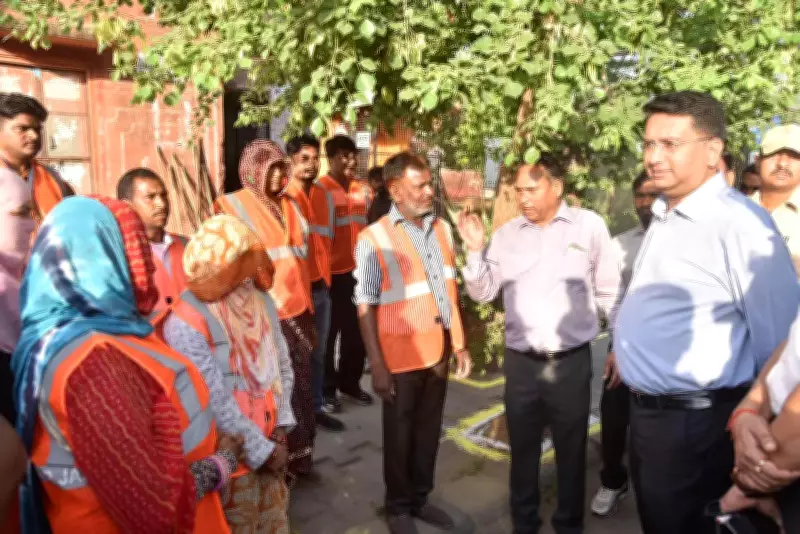
Direct Engagement with Sanitation PersonnelCommissioner Kasera engaged directly with sanitation workers throughout the campaign, offering encouragement and recognizing their vital contributions by describing them as 'cleanliness warriors.' He emphasized that maintaining urban cleanliness represents a shared responsibility between municipal authorities and citizens, appealing to residents to refrain from discarding waste in open areas and public spaces.
District Administration's Support and Future Planning
District Collector Sandesh Nayak actively participated in the campaign, accompanying the commissioner on multiple site visits and inspecting arrangements at community facilities like Shri Annapurna Rasoi near RUHS. Nayak praised the initiative's effectiveness and suggested that similar models could be developed for implementation across other civic bodies, potentially creating a blueprint for large-scale urban cleanliness drives throughout the region.

The 'Safai Seva Marathon' demonstrated that targeted, intensive cleanup campaigns can achieve remarkable results when properly coordinated. By focusing on neglected localities where standard waste collection vehicles typically don't reach, addressing safety concerns for sanitation workers, and fostering collaboration between municipal authorities, military personnel, and citizens, Jaipur has established a potential model for other cities grappling with similar urban sanitation challenges.





