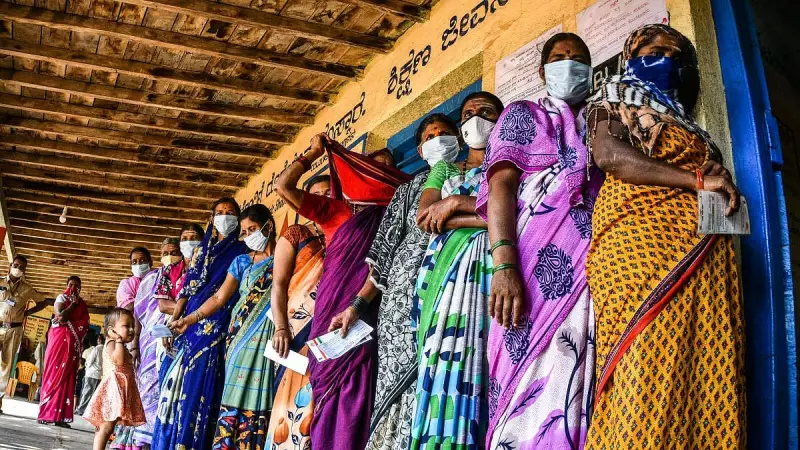
The promise of robust local self-governance in Karnataka is facing a severe test, stalled by political inertia and a crippling financial drought. The state's panchayati raj institutions, especially the gram panchayats, are battling a massive resource crunch, severely hampering their ability to function and deliver on their core developmental mandates.
The Core of the Crisis: Absence of Funds and Elected Representatives
At the heart of the problem lies a dual challenge. Firstly, there is a critical shortage of central funds flowing to these village-level bodies. These funds are the lifeblood for infrastructure projects, sanitation, water supply, and other essential rural development works. Without this financial support, panchayats are left with empty coffers and unimplemented plans.
Secondly, many of these local bodies are operating without duly elected councils. The delay in conducting elections or the dissolution of existing bodies creates an administrative vacuum. This lack of elected representation undermines the very principle of democratic decentralization, leaving crucial decisions in limbo and accountability blurred. The situation, as highlighted in recent reports, paints a grim picture for grassroots democracy.
Impact on Ground-Level Governance and Development
The consequences of this paralysis are direct and deeply felt in villages across Karnataka. Development work has screeched to a halt in numerous areas. Projects related to building rural roads, maintaining water bodies, and upgrading public health facilities remain stuck on paper. The administrative machinery is overburdened and often lacks the legitimacy and local insight that elected members bring.
This resource crunch and political stall effectively disconnect communities from the governance process. When panchayats cannot respond to local needs due to a lack of authority and money, public faith in the system erodes. The vision of "governance by the people, for the people" at the village level remains unfulfilled.
Looking Ahead: The Need for Urgent Resolution
For Karnataka's panchayats to regain their role as engines of rural progress, immediate steps are necessary. The resolution hinges on political will at both state and central levels to ensure timely funds are released and electoral processes are respected and conducted without undue delay.
The current impasse highlights a significant gap in India's federal structure concerning local bodies. Strengthening them is not just an administrative necessity but a democratic imperative. Until funds flow and elected representatives are in place, the promise of effective local governance in Karnataka will remain just that—a promise.