Chandigarh's civic governance is at the centre of a fresh debate as the Union Territory's Administrator, Gulab Chand Kataria, publicly pushes for a longer tenure for the city's mayor, even as the central government denies any such proposal is on the table. This divergence in statements has ignited discussions on the need for structural reforms in urban local body administration.
Administrator's Public Commitment to Change
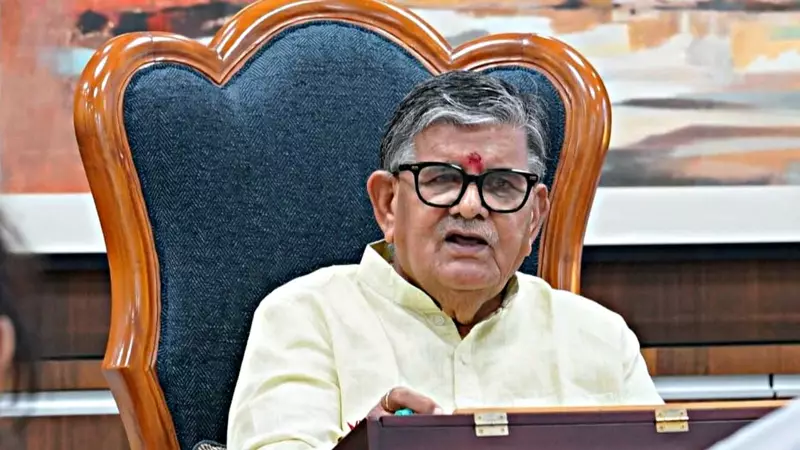
On Tuesday, December 31, 2025, UT Administrator Gulab Chand Kataria addressed the House meeting of the Chandigarh Municipal Corporation with a clear agenda. He announced his personal commitment to work towards increasing the mayor's tenure from the current one-year term. Kataria stated he would even meet the Union Home Minister to advocate for this change, proposing a new term of either five years or 2.5 years, based on what the Home Minister agrees to.
He argued that a longer term would provide the mayor with sufficient time to plan and execute public welfare projects effectively. However, Kataria also presented a balanced view, acknowledging a potential disadvantage: the concentration of power if the mayor does not form committees for the full term, which could turn a good idea into a harmful situation.

Centre's Contradictory Stance
This push from the Administrator comes just days after a contradictory statement from the Union Ministry of Home Affairs (MHA) in Parliament. In response to a query raised by Chandigarh Member of Parliament Manish Tewari, Minister of State for Home Affairs Nityanand Rai informed the Lok Sabha that "at present, no such proposal is under consideration" regarding extending the mayor's term or related issues.
Tewari had specifically asked if the government was considering a move to a fixed five-year term from the present one year. Despite the Centre's official denial, sources within the Chandigarh Administration had earlier indicated that preparations were underway to approve a five-year term, with Kataria having directed UT officers to prepare a report on the matter.
Broader Governance and Election Reforms Discussed
During the House meeting, Kataria also touched upon other significant governance models. On the topic of direct elections for the mayor's post—a system followed in some major Indian cities—he expressed caution. He noted that while a directly elected mayor gains a strong public mandate, it could potentially weaken the elected municipal councillors, raising questions about teamwork and execution.
Furthermore, Kataria supported the idea of electing the mayor by a show of hands instead of a secret ballot, emphasising the need for a fair and transparent electoral process within the corporation.
Focus on Chandigarh's Development Priorities
Amidst the debate on tenure, the UT Administrator underscored that the core focus must remain on Chandigarh's development. He highlighted critical areas like water supply, sanitation, infrastructure, and public services as top priorities. Kataria stressed the importance of robust revenue generation, sound budget management, and disciplined financial planning to ensure uninterrupted civic services.
He pointed to the additional ₹25 crore grant provided to the Municipal Corporation and urged its efficient and innovative use. Kataria called for strict transparency and accountability in financial management. He advised councillors to actively raise ward-specific development issues in the House and emphasised the need for properly planned community centres based on actual area requirements and population needs.
The current system in Chandigarh, often called the 'City Beautiful', involves the annual election of a mayor from among the councillors every January. This contrasts with neighbouring municipal corporations in Panchkula and Mohali, which already have a five-year mayoral term, adding a regional context to the demand for change.