Kochi Water Metro to Introduce Fast Electric-Hydrogen Hybrid Vessels for Airport Link
In a significant move towards sustainable urban mobility, the Kochi Water Metro is planning to deploy fast-paced electric-hydrogen hybrid vessels for its proposed airport connectivity route from Aluva. This initiative aims to maximize environmental benefits while addressing future transportation challenges in the region.
Transition from Current Operations to Advanced Hybrid Technology
Currently, the Water Metro operates vessels that primarily rely on electricity stored in batteries, supplemented by diesel generators. However, concerns over potential battery supply shortages and the environmental pollution associated with diesel have prompted authorities to explore cleaner alternatives. The new electric-hydrogen hybrid vessels are considered among the most environmentally friendly options, as they produce only water vapour and heat as byproducts during operation.
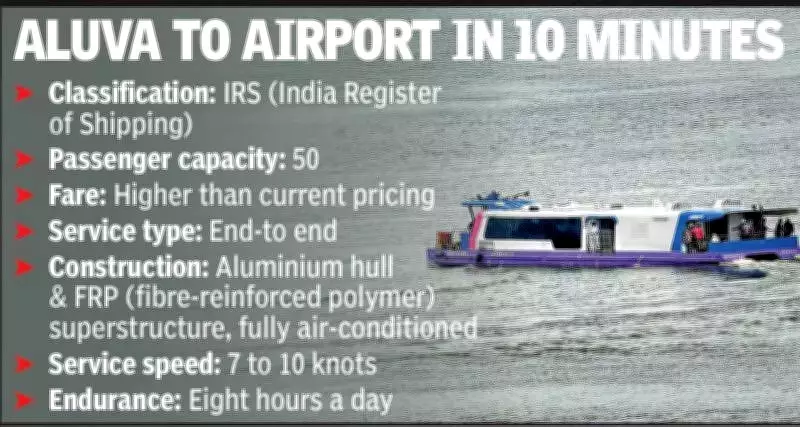
"We plan to deploy fast boats in the Aluva-Airport section so that commuters can reach the airport terminal from Aluva in around 10 minutes," said Sajan P John, Chief Operating Officer of Kochi Water Metro Ltd (KWML), in a statement to the media. This ambitious project is expected to significantly ease travel woes caused by road congestion, offering a swift and eco-friendly alternative for commuters.

Collaborations and Infrastructure Developments
Cochin Shipyard Ltd (CSL), which is manufacturing the first set of 23 ferries for the Water Metro, has already built the country's first green hydrogen ferry. This 50-passenger capacity vessel, with zero pollution, is currently deployed in Varanasi, Uttar Pradesh, showcasing the viability of hydrogen-powered water transport.
Bharat Petroleum Corporation Ltd (BPCL) has initiated positive talks with KWML regarding the project. Additionally, the Agency for New & Renewable Energy Research and Technology (Anert), under the Department of Power, Government of Kerala, has extended a subsidy scheme to support the adoption of hydrogen ferries.
To facilitate seamless transportation, Water Metro authorities also plan to construct a skywalk connecting Aluva Metro station to the Aluva Water Metro terminal. "We require separate funds for hydrogen boats and infrastructure development, which we expect to get once the project gets final approval," added an official.
Hydrology Study and Project Implementation Timeline
A hydrology study is currently underway to assess the feasibility of operating fast vessels from Aluva to Nedumbassery via the Periyar River, covering roughly 8 kilometers, and then connecting to the airport from its southern end via the Chengal Canal. The main aim of this study is to scientifically determine whether the boat services will affect water flow patterns.
The study is expected to be completed by the end of March, after which a report will be submitted to the state government seeking project implementation. This step is crucial for ensuring that the new services do not disrupt local hydrological systems.
Hydrogen as the Future Fuel for Sustainable Transportation
KWML is actively examining future options, including solar energy and hydrogen-powered vessels, given their zero-emission benefits and diminishing costs. "Our priority is sustainable water transportation," emphasized an official, highlighting the organization's commitment to environmental stewardship.
The cost of hydrogen has seen a dramatic reduction, falling from Rs 960 per kg two years ago to Rs 360 per kg currently. According to a CSL official, this trend is likely to continue, with the central government aiming to further reduce the cost to $1 (approximately Rs 80) per kg by 2030, making hydrogen an increasingly viable fuel source.
Supporting Infrastructure and Broader Implications
In a related development, BPCL and Cochin International Airport Ltd (Cial) have jointly set up south India's first green hydrogen plant and fuelling station on the airport premises. This 1,000-kilowatt plant has the capacity to produce 80 kg of green hydrogen daily, providing a local source of fuel for the proposed hybrid vessels and other applications.

The integration of electric-hydrogen hybrid technology into Kochi's Water Metro system represents a forward-thinking approach to urban planning, combining speed, efficiency, and environmental sustainability. As cities worldwide grapple with congestion and pollution, such innovations could serve as a model for future water-based transit solutions.