

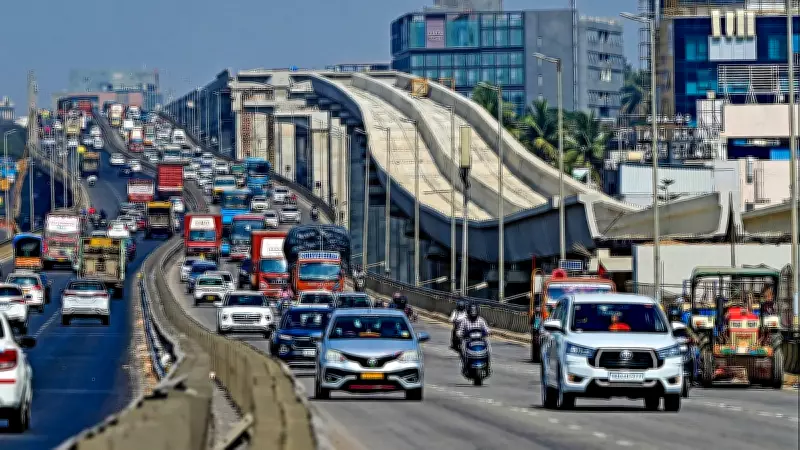
Urban Governance Insights from Lee Kuan Yew: A Critical Examination
In contemporary discussions on urban development, a pressing question emerges: Do state governments inherently favor their highest-growth cities? Furthermore, does this preferential treatment inadvertently impose constraints on the very cities it aims to promote? The resounding answer to both inquiries is affirmative, and insights from Lee Kuan Yew's governance approach offer valuable perspectives on this complex dynamic.
The Paradox of Preferential Treatment in Urban Planning
State governments often channel resources, policies, and investments disproportionately toward cities demonstrating rapid economic expansion and population growth. This strategy is typically justified by the desire to maximize returns on development initiatives and foster regional economic hubs. However, this focus can create a paradoxical situation where the favored cities face limitations due to over-centralization, infrastructural strain, and neglect of equitable distribution across other urban and rural areas.
Lee Kuan Yew's model of governance in Singapore provides a nuanced framework for understanding this issue. Under his leadership, Singapore emphasized holistic urban planning that balanced growth with sustainability, social cohesion, and long-term vision. Rather than merely concentrating efforts on the most prosperous districts, the approach integrated comprehensive policies addressing housing, transportation, environmental management, and economic diversification across the entire city-state.

How State Preferences Can Constrain City Potential
When state governments prioritize high-growth cities, several unintended consequences may arise:
- Infrastructural Overload: Rapid development without proportional investment in public services can lead to congestion, housing shortages, and environmental degradation.
- Regional Imbalances: Neglecting smaller cities or rural regions can exacerbate economic disparities and migration pressures.
- Policy Rigidity: Over-reliance on top-down directives may stifle local innovation and adaptive governance at the municipal level.
Drawing from Lee Kuan Yew's principles, effective urban governance requires a delicate equilibrium. It involves empowering cities to leverage their growth while ensuring state-level policies support inclusive development. This includes decentralizing certain decision-making processes, fostering inter-city collaborations, and implementing metrics that evaluate success beyond mere economic output.
Lessons for Modern Urban Governance
To avoid the pitfalls of preferential treatment, state governments can adopt strategies inspired by Lee Kuan Yew's legacy:
- Integrated Planning: Develop cohesive urban policies that align state objectives with local needs, promoting sustainable growth across all regions.
- Equitable Resource Allocation: Distribute investments and infrastructure projects to prevent over-concentration in a few high-growth areas.
- Community Engagement: Involve citizens and local authorities in governance processes to enhance responsiveness and accountability.
In conclusion, while state governments' inclination to favor high-growth cities is understandable from an economic standpoint, it necessitates careful management to prevent self-imposed limitations. By embracing lessons from Lee Kuan Yew's governance model—emphasizing balance, foresight, and inclusivity—policymakers can cultivate urban environments that thrive without compromising broader regional harmony. This approach not only addresses immediate growth challenges but also lays the foundation for resilient and equitable urban futures.






