

Ludhiana's Water Plus Certification Ambitions Meet Stiff Resistance
The Ludhiana Municipal Corporation's ambitious plan to secure Water Plus certification under the Swachh Bharat Mission has ignited significant controversy, with residents and environmental activists voicing strong objections. Critics are challenging both the city's fundamental readiness for such a prestigious environmental designation and the transparency of the public consultation process being employed.
Flawed Public Feedback Mechanism Raises Eyebrows
A primary point of contention revolves around the methodology for gathering public input. The official notice issued by authorities notably lacks any email address for submissions, forcing citizens to physically visit municipal offices to register objections. Activists argue this creates an unnecessary barrier that effectively suppresses broader community participation.
Satinder Singh, a concerned resident, highlighted this critical omission, suggesting authorities deliberately avoided providing an email contact to minimize the volume of feedback. "Publishing an email address would inevitably attract numerous objections," Singh stated. "The current requirement for written postal submissions ensures only a handful of determined citizens will participate, making this entire exercise appear as mere window-dressing."

Another resident, Narinder Singh Masson, expressed frustration at the municipal corporation's communication shortcomings. "It's ironic that an organization with a budget running into crores cannot maintain a functional official email or mobile number for public correspondence," Masson remarked.
Environmental Readiness Under Scrutiny
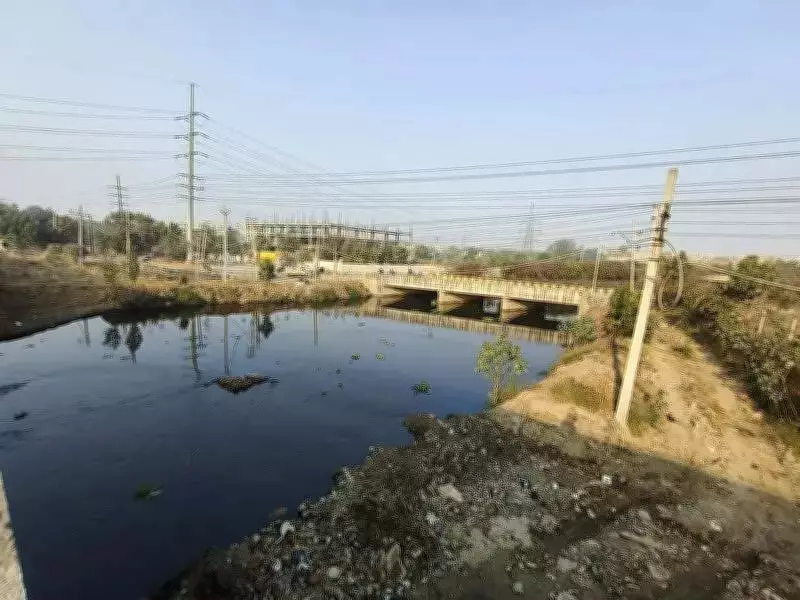
Beyond procedural issues, substantive environmental concerns threaten to undermine Ludhiana's certification bid. Activist Col J S Gill presented a detailed critique, asserting the city fails to meet essential Water Plus prerequisites due to persistent pollution in the Buddha Dariya waterway.
Gill pointed to ongoing contamination from multiple sources, including effluent from dyeing unit treatment plants and sewage treatment facilities at Balloke and Tajpur that continues flowing into the drain. He referenced statements by AAP Rajya Sabha member Balbir Singh Seechewal, who has documented how industrial pollution and cow dung continue affecting Buddha Dariya's water quality.
The activist further alleged that the Bhattian sewage treatment plant discharges treated water directly into the Sutlej River at Kasabad without adequate testing. "The water's persistent black coloration strongly suggests dyeing industry effluents are mixing with incoming sewage," Gill claimed.
Water Plus Standards Versus Ground Reality
Water Plus certification mandates comprehensive wastewater management, including 100% treatment of residential and commercial wastewater according to Central Pollution Control Board standards, safe disposal practices, treated water recycling, and complete prevention of untreated discharges into natural water bodies.
Gill emphasized that Ludhiana falls short on multiple fronts. "The city has failed to properly utilize treated wastewater for sustainable purposes like gardening, public space cleaning, or construction activities," he noted. "These applications represent core sustainability principles within the Water Plus framework."
The activist recommended that industries must first achieve zero liquid discharge standards before the municipal corporation proceeds with certification efforts.
Broader Infrastructure Deficiencies Highlighted
Residents raised additional concerns about Ludhiana's water infrastructure. Masson described irregular and improper chlorination at municipal borewells, coupled with aging, dilapidated pipelines that have never undergone proper cleaning. "Drinking water meant to be germ-free travels through generations-old pipes with numerous illegal connections that contaminate the supply," he explained.
Given these systemic challenges, critics argue the civic administration should postpone Water Plus certification ambitions until substantial improvements are implemented. The controversy highlights the gap between aspirational environmental goals and on-ground realities in urban India's sanitation infrastructure development.






