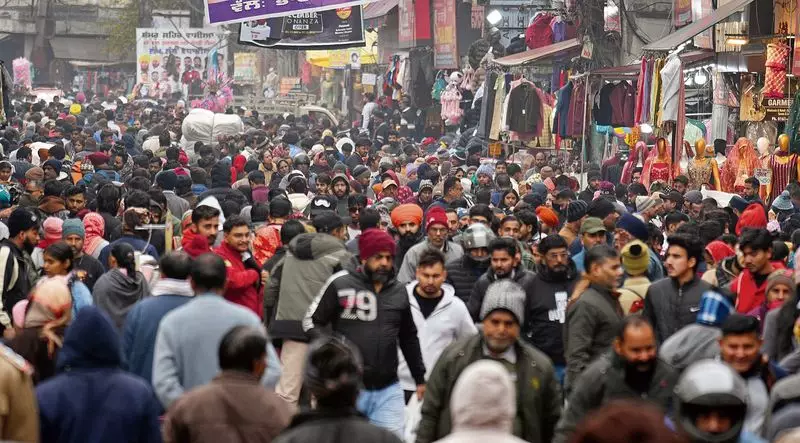
Frustrated citizens of Ludhiana have issued a strong call to action, demanding immediate and stricter enforcement of traffic rules coupled with comprehensive long-term planning to untangle the city's notorious traffic gridlock. The demands emerged during a recent open house discussion organized by the Municipal Corporation, highlighting a growing public impatience with the daily commuting nightmare.
Citizens Voice Frustrations at MC's Open House
The open house session, held at the Zone D office of the Ludhiana Municipal Corporation, became a platform for residents to directly confront officials with their grievances. The discussion, led by MC Commissioner Sandeep Kumar, saw participation from a wide range of stakeholders, including representatives of resident welfare associations, market committees, and industry bodies. The consensus was clear: temporary fixes are no longer acceptable for a problem that cripples the city's mobility and economy daily.
Attendees pinpointed several chronic issues that exacerbate the congestion. Illegal parking, especially by commercial vehicles and auto-rickshaws, was identified as a primary culprit, narrowing already busy roads and causing bottlenecks. Rampant encroachments by street vendors and shopkeepers further reduce usable road space, creating chaotic conditions for both pedestrians and vehicles.
Key Problem Areas and Proposed Solutions
Specific trouble spots dominated the conversation. The stretch of Ferozepur Road from the Jalandhar bypass to the Gill intersection was repeatedly cited as a critical zone requiring urgent intervention. Residents argued that the situation here symbolizes the city's broader traffic management failures.
The proposed solutions from the public focused on a two-pronged approach:
- Strict and Consistent Enforcement: Citizens urged the police and MC enforcement wings to conduct regular, visible drives against illegal parking and encroachments. They emphasized that periodic campaigns are ineffective without sustained daily action.
- Long-Term Infrastructure Planning: Beyond enforcement, there was a strong push for visionary planning. This includes creating designated parking lots, improving pedestrian pathways, and developing a coherent city-wide traffic circulation plan that anticipates future growth.
Commissioner Sandeep Kumar acknowledged the validity of the concerns raised. He assured participants that their feedback was being taken seriously and would be integrated into the civic body's planning process. He stated that the MC is actively working on strategies to decongest major corridors, though he stressed that public cooperation is essential for any plan to succeed.
The Road Ahead: Enforcement or Planning First?
The open house debate ultimately circled a central question: should immediate, stricter enforcement take priority, or is a well-designed long-term plan the real key to a lasting solution? Most residents and experts present argued that both must proceed simultaneously. Enforcement can provide immediate relief and reclaim public space, while systematic planning is necessary to prevent the problem from recurring and to build a sustainable transport ecosystem for Ludhiana.
The session concluded with a sense of cautious optimism. While the problems are deep-rooted and complex, the direct dialogue between citizens and authorities was seen as a positive step. The onus is now on the Municipal Corporation and the traffic police to translate this public feedback into concrete, visible action on the streets of Ludhiana. The city's reputation as an industrial powerhouse, residents argue, is undermined by its inability to manage basic urban mobility.