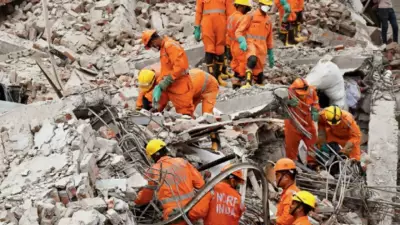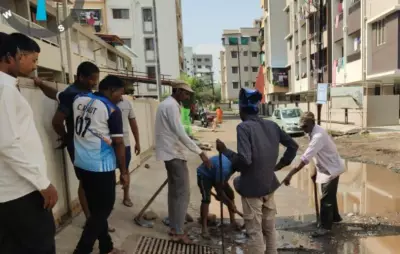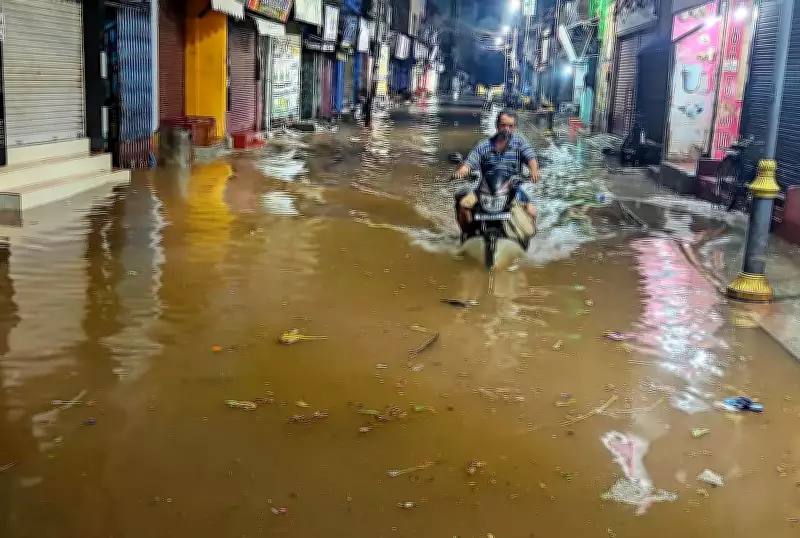
Madurai corporation has set in motion the first package under its proposed ₹3,372-crore integrated stormwater drainage (ISWD) network, targeting recurrent flooding around Meenakshi Amman temple, South Masi street and Periyar bus stand.
First Package Targets Three Major Flood Hotspots
The three locations were selected from 181 flood hotspots identified across the city and are among the most affected during heavy rain. “The ₹22-crore package, funded by KfW (German Bank) aims to improve drainage in the temple precinct, a commercial corridor and a transport hub that witness water stagnation during monsoon spells,” said a senior corporation official. The identified hotspots suffered from missing drains, silted channels, encroachments, inadequate slopes, insufficient carrying capacity and low-lying terrain.
Meenakshi Amman Temple Precinct
Around Meenakshi Amman temple, stormwater from Chithirai, Avani and Masi streets currently drains towards Anuppanadi channel through an ageing network that is unable to carry peak flows. The temple area, which receives between 15,000 and 20,000 visitors daily, often witnesses disruptions during heavy rain. “When it rains for even a short period, water stands near East Avani Moola Street and movement becomes difficult,” said R Murugan, a trader near the temple. The corporation will replace an existing drain and build a new Reinforced Cement Concrete (RCC) drain along Thalavai Agraharam Street up to Anuppanadi channel. A sluice gate is also planned at the outfall to prevent water from flowing back into the city during intense rainfall.

South Masi Street
In South Masi Street, runoff from the southern side of the temple area currently travels through a single drainage route towards Vilakuthoon before entering Anuppanadi channel. The first package of ISWD includes new RCC drains along both sides of Kamarajar Street to create an additional path for stormwater and reduce pressure on the existing network.
Periyar Bus Stand Area
The Periyar bus stand area faces a different challenge. Existing drains from West Veli Street and roads around the railway junction were interrupted by construction of a railway pedestrian subway. “The current pumping facility has limited capacity, causing water to remain on roads around the bus stand and station during rain,” said the corporation official. “Water remains near the bus stand and railway station for almost six to eight hours even after rain stops,” said M Kannan, a resident of West Veli Street. “A separate pumping system here has been a long-pending demand,” he added. Addressing this, the corporation will build a new pumping station near TELC Holy Redeemer’s Church. Six pumps will lift stormwater through pumping mains to a discharge chamber near Daily Thanthi office. From there, gravity drains will carry the flow to Kiruthumal channel along Power House Road.
Additional Measures and Expert Opinion
The package also includes desilting of existing drains and channels, recharge pits and covered drain sections aimed at improving flow and reducing future flooding. “Most cities focus on building drains where water stagnates. The scientific approach is to identify where the flow gets interrupted and restore continuity. The Madurai project is important because it tackles three different failure points. The success of this project will depend on whether the new drains, pumping station and receiving channels continue to be maintained as a single network rather than as isolated assets,” said M Rajmurgan, an urban planner.