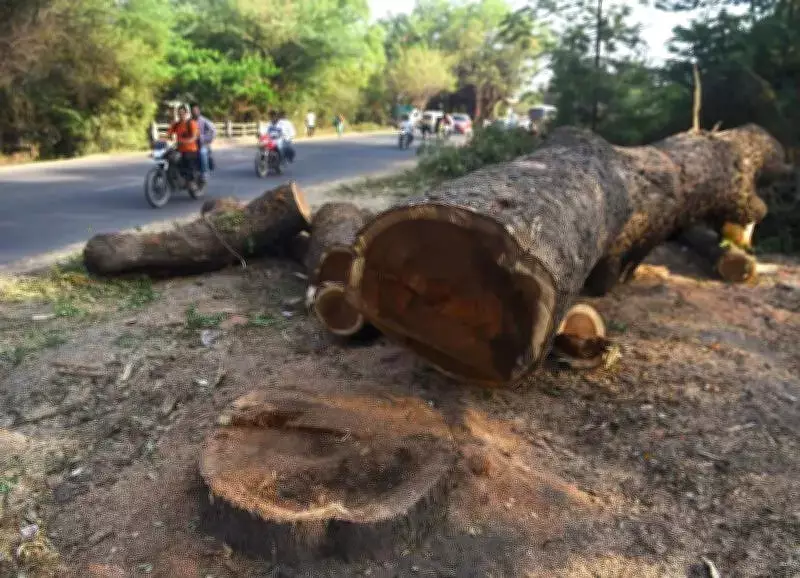
The Maharashtra government has taken a significant step to enhance the ease of doing business by mandating that permissions for tree felling in industrial and government projects be granted within 15 days as a special case. This move aims to expedite project clearances and reduce bureaucratic delays.
Revised Timeline and Documentation
Previously, the deadline for issuing tree felling permission was 30 days. The General Administration Department (GAD) has now reduced the timeline by half. Additionally, the number of mandatory documents required has been cut from 11 to five. The revised norms require applicants to submit an updated 7/12 land extract with tree registration details, consent letters with photographs from all co-owners (if multiple stakeholders are listed on the land record), a map of the survey or land parcel concerned, a caste certificate if the applicant belongs to a Scheduled Tribe, and an undertaking to carry out compensatory plantation against the trees felled.
Expedited Process for Industrial and Government Projects
The corrigendum issued on Monday states that proposals related to industrial and government projects must be expedited, with permissions granted within 15 days after detailed scrutiny and verification. All other provisions of the 2017 circular remain unchanged.

Government's Perspective
Officials have stated that these changes are part of the state's broader push to improve industrial facilitation by cutting down procedural delays. A senior official commented, 'Reducing documentation and fixing a tighter timeline will help industries avoid unnecessary bottlenecks while ensuring due verification.'
Environmental Concerns
However, environmental activists have raised concerns over the fast-tracking of tree felling permissions. Advocate Amitabh Singh said, 'While ease of doing business is important, granting permissions within 15 days could compromise thorough environmental assessment. Trees are not just procedural hurdles; they are critical ecological assets.' Activist Meera Kulkarni added that reduction in documentation must not lead to dilution of safeguards. 'The government must ensure that compensatory plantation is strictly monitored. Otherwise, this could lead to large-scale, unchecked tree loss under the guise of development,' she said.
Context and Implications
The revised guidelines come at a time when several infrastructure and industrial projects across the state are seeking faster clearances, often citing delays due to procedural requirements in obtaining tree felling permissions. The government aims to balance development needs with environmental protection, but the effectiveness of the new measures will depend on rigorous monitoring and enforcement.