

Maharashtra's Bamanpalli Village Takes Historic Stand Against Alcohol
In a landmark decision, Bamanpalli, a remote tribal hamlet located on the Maharashtra-Chhattisgarh border, has officially declared itself a liquor-free zone. This village of approximately 1,700 residents has implemented strict regulations and substantial fines to combat the alcohol-related problems that have plagued their community for years.
From Maoist Threats to Alcohol Menace
Bamanpalli, situated just 4 kilometers from the former Maoist stronghold of Abujmarh in Bhamragarh taluka, has transitioned from living under the shadow of guerrilla warfare to confronting a new enemy: alcohol addiction. For nearly a year, the village has struggled with escalating issues stemming from excessive drinking, including violent brawls, domestic abuse, and severe financial strain that directly impacted children's education and healthcare.
"Liquor was systematically destroying our community," explained Sadashiv Nilam, a local farmer. "Family providers were squandering their earnings on alcohol, nighttime disturbances became routine, households were disintegrating, and trust among neighbors evaporated completely. This prohibition represents our collective effort to preserve our village's social fabric."

Comprehensive Prohibition Framework Established
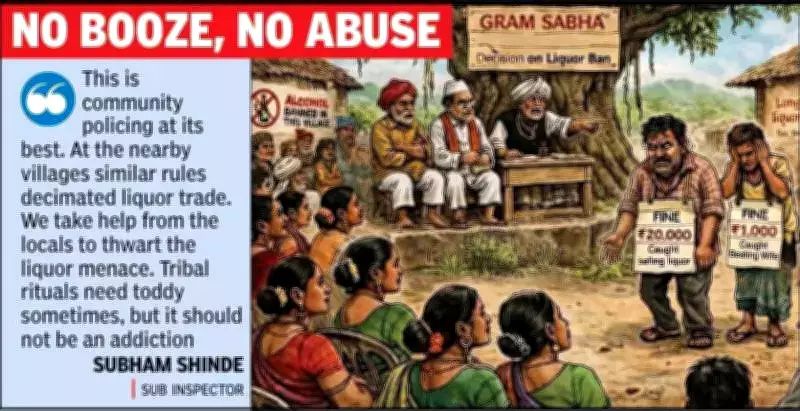
During a special gram sabha meeting on Sunday where every adult villager participated, the community unanimously voted to implement comprehensive alcohol restrictions. A dedicated village committee has been formed to oversee enforcement of the new regulations.
The prohibition rules establish clear penalties:
- Rs 20,000 fine for anyone caught selling liquor within village boundaries
- Rs 1,000 penalty for individuals who assault their spouses or create public disturbances while intoxicated
- Rs 2,000 charge for those who assist or conceal bootleggers
- Rs 5,000 reward for community members who provide credible information about illegal liquor sales
Transforming Penalties into Progress
All funds collected from fines will be channeled directly into village development initiatives. The money will support critical infrastructure improvements including school building repairs, healthcare facility enhancements, road maintenance projects, and community beautification efforts.
Sub-Inspector Subham Shinde, who leads the Manne Rajaram police outpost, praised the initiative as "exemplary community policing." He noted that neighboring Manne Rajanam village successfully implemented similar measures that significantly reduced alcohol-related problems.
"We've successfully addressed security concerns by eliminating Maoist threats from the area," Shinde stated. "Now development must become our primary focus. This approach doesn't aim to eradicate cultural traditions—tribal rituals sometimes incorporate toddy—but rather prevents alcohol from becoming a destructive addiction that threatens lives and families."
Root Causes and Community Mobilization
The alcohol problem in Bamanpalli had complex origins. Some farm owners traditionally provided liquor to agricultural laborers as part of compensation, but this practice was exploited by unscrupulous individuals who began mass-producing and illegally selling alcohol to villagers.
The prohibition movement didn't emerge suddenly. For six months prior to the vote, local police from the Manne Rajanam station collaborated with non-governmental organizations to conduct extensive awareness campaigns. These efforts included street corner discussions, women's group meetings, and youth rallies that gradually built consensus around the need for change.
This grassroots initiative represents a significant shift for a community that once lived in constant fear of guerrilla attacks, ambushes, and frequent security force operations. Today, Bamanpalli villagers are taking control of their future by addressing the social and economic challenges that alcohol dependency created, transforming penalties into progress for their entire community.






