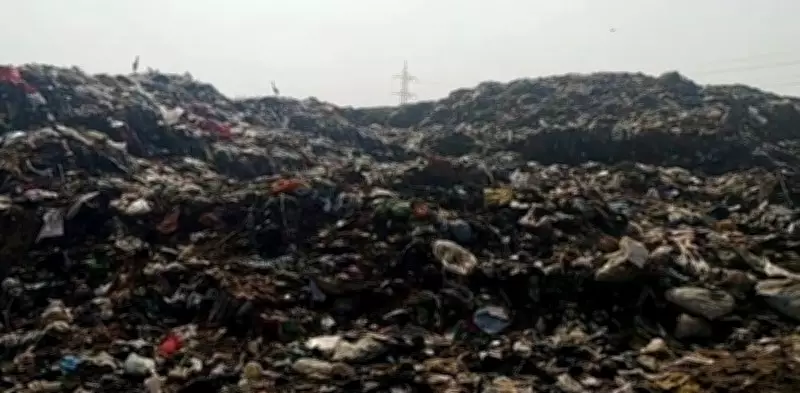
Malerkotla Grapples with Escalating Garbage Disposal Crisis
The town of Malerkotla in Punjab is confronting a severe and persistent garbage management issue, with local civic authorities struggling to find a viable solution. The core of the problem lies in the inability to identify and secure suitable land for a new dumpsite, a challenge that has plagued the region for an extended period.
Land Acquisition Hurdles Intensify Waste Woes
Municipal bodies in Malerkotla have been actively searching for an appropriate plot to establish a designated waste disposal site. However, this effort has hit significant roadblocks due to various factors, including land availability, environmental concerns, and logistical constraints. The absence of a proper dumpsite has led to the accumulation of garbage in unauthorized areas, creating unsanitary conditions and posing health risks to residents.
The situation has become increasingly dire, with existing waste management systems proving inadequate to handle the daily volume of refuse generated by the town's population. Civic officials report that the search for land is a top priority, but progress has been slow, exacerbating the overall sanitation crisis.

Impact on Public Health and Environment
The ongoing garbage woes in Malerkotla are not merely an inconvenience; they have tangible consequences for public health and the local environment. Piles of uncollected waste can attract pests, contribute to air and water pollution, and increase the risk of disease outbreaks. Residents have expressed growing frustration over the deteriorating conditions, calling for urgent action from authorities.
Community members highlight that the problem has persisted for too long, with temporary measures failing to provide a sustainable fix. The lack of a permanent dumpsite means that waste is often dumped haphazardly, further complicating cleanup efforts and straining municipal resources.
Challenges Faced by Civic Bodies
Local civic bodies are under pressure to resolve the issue swiftly, but they face multiple challenges in their quest for a dumpsite. Key obstacles include:
- Land Scarcity: Finding a sufficiently large and accessible plot that meets regulatory requirements.
- Environmental Regulations: Ensuring compliance with waste management laws to prevent ecological damage.
- Public Opposition: Addressing concerns from nearby communities about potential nuisances and health hazards.
- Funding Constraints: Securing the necessary financial resources for land acquisition and site development.
These factors combine to create a complex scenario where quick fixes are elusive, and a long-term strategy is essential. Authorities are exploring various options, including potential collaborations with private entities or neighboring municipalities, to overcome these hurdles.
Looking Ahead: Potential Solutions and Community Role
To mitigate the garbage crisis, experts suggest a multi-pronged approach that goes beyond just finding a dumpsite. This could involve:
- Enhancing waste segregation at source to reduce the volume of landfill-bound refuse.
- Investing in modern waste processing technologies, such as composting or recycling facilities.
- Launching public awareness campaigns to promote responsible waste disposal habits among residents.
In the meantime, the immediate focus remains on securing land for a dumpsite. Civic bodies are urged to accelerate their efforts, possibly by leveraging government schemes or seeking emergency approvals to expedite the process. The community's cooperation is also crucial, as collective action can help manage waste more effectively until a permanent solution is in place.
The garbage woes in Malerkotla serve as a stark reminder of the broader waste management challenges faced by many urban areas in India. As the search for a dumpsite continues, the hope is that a resolution will emerge soon to restore cleanliness and safeguard public health in the town.