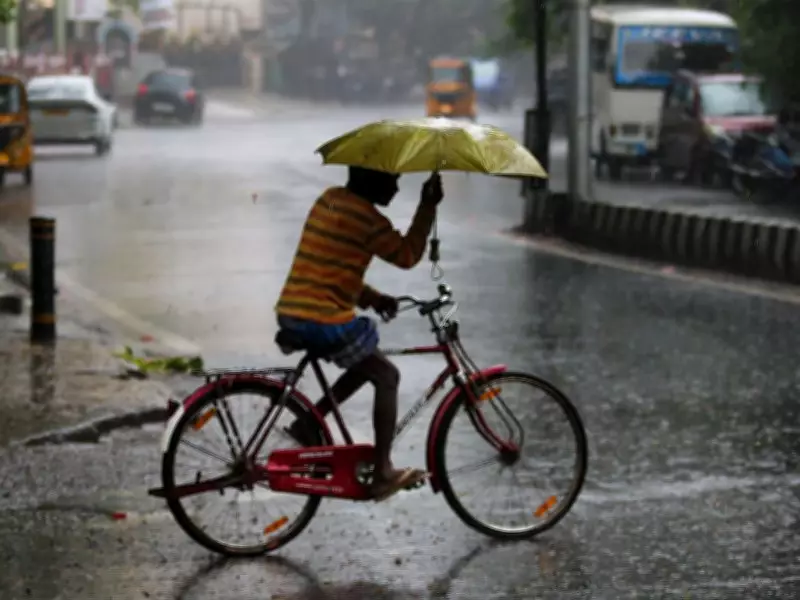
The India Meteorological Department (IMD) informed a high-level review meeting chaired by the Prime Minister's Office (PMO) on Tuesday that the overall monsoon rainfall deficit across the country has reduced to -12% as of July 7, 2026, despite a delayed onset in several regions.
Monsoon Onset Delay and Recovery
IMD officials presented the rainfall data for June and the first week of July during the meeting, which was convened to assess the potential impact of a weak or delayed monsoon, particularly due to El Niño conditions. The Director General of Meteorology briefed the PMO on monsoon coverage and the possible effects of El Niño on agriculture and other sectors.
According to the IMD, there was a delay of approximately 10 days in the onset of monsoon over Gujarat, Madhya Pradesh, Chhattisgarh, and Maharashtra. However, rainfall activity in the first week of July has been above normal, helping to narrow the all-India deficit to -12%. The IMD noted that July typically receives more than 30% of the total monsoon season rainfall.

El Niño Conditions Under Watch
The IMD stated that weak to moderate El Niño conditions are expected to persist during July and August. The situation is being continuously monitored, as an El Niño year does not necessarily result in below-normal rainfall. The meeting was attended by secretaries from 15 ministries, with a special focus on agriculture.
The Agriculture Secretary presented a detailed preparedness plan for the kharif season, including weekly meetings of the Crop Weather Watch Group with states to monitor rainfall, reservoir levels, crop sowing, input availability, market trends, and emerging pest and disease situations. This enables timely decision-making and contingency responses.
Contingency Plans and Climate Resilience
District Agriculture Contingency Plans have been updated for 262 vulnerable districts. The Indian Council of Agricultural Research (ICAR) has issued Standard Operating Procedures (SOPs) for managing El Niño risks in Indian agriculture to Krishi Vigyan Kendras in the districts.
The meeting also highlighted that foodgrain production has been maintained over the years despite deficient rainfall, thanks to the adoption of climate-resilient crop varieties and technologies. The government remains vigilant and prepared to mitigate any adverse impacts on the agricultural sector.