Chandigarh's Smart Parking Project Faces Scrutiny Over Delays and Revenue Collection
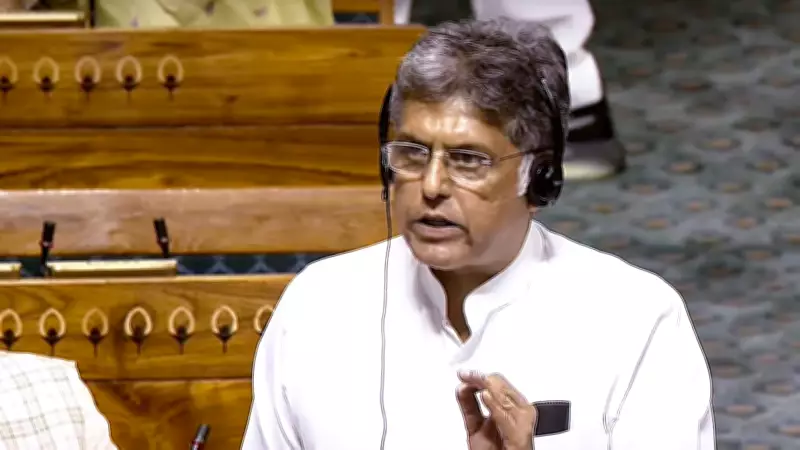
Congress MP Manish Tewari has launched a sharp critique against the central government following its response to parliamentary questions regarding Chandigarh's long-delayed FASTag-enabled cashless parking system. The project, originally proposed in August 2022, remains unimplemented despite generating substantial revenue from paid parking operations in the city.
Revenue Collection and Implementation Gaps
In a written reply to the Lok Sabha, the Ministry of Home Affairs disclosed that paid parking in Chandigarh has collected ₹22,43,90,681 since July 2024, with net revenue after operational costs standing at ₹10,21,71,097. However, the ministry's response focused on the implementation of MCOnePass, a unified digital parking pass system rolled out on January 27, 2026, rather than addressing the specific FASTag project delays.
The MCOnePass system offers digital payments, electronic receipts, real-time monitoring, and centralized dashboard reporting. Yet, this falls short of the fully automated FASTag-enabled system that was promised four years ago for 89 parking lots across the city.

Unanswered Questions and Political Criticism
Manish Tewari expressed frustration that the Centre's reply sidestepped critical issues he raised, including:
- Reasons for the four-year delay in implementing the FASTag project
- Whether tax or contractual disputes have stalled progress
- The current status of the request for proposal process
- Projected annual revenue from the planned system
- Whether the Chandigarh administration has been directed to submit a status report
"It is perplexing that a FASTag-enabled cashless parking system, conceived four years ago, could not be implemented," Tewari stated. "The municipal corporation has been forced to rely on MCOnePass, which still involves manual scanning of vehicle number plates for validation, while FASTag technology has been operational on national highways and in government facilities for over a decade."
Comparative Urban Development Context
The MP highlighted contrasting developments in other Indian cities to underscore Chandigarh's technological lag. In Delhi, the Municipal Corporation has expanded FASTag-enabled cashless parking to dozens of sites, complemented by QR-code payments and mobile applications. Meanwhile, the New Delhi Municipal Council continues deploying sensor-based smart parking with boom barriers in high-traffic areas like Connaught Place.
This disparity raises questions about Chandigarh's positioning as a model smart city with transparent and efficient municipal services. The gap between the ambitious modernization plan announced in 2022 and the current partially digital system reveals significant implementation challenges.
Broader Implications for Civic Infrastructure
The government's evasive parliamentary reply and subsequent political criticism are expected to renew scrutiny of administrative delays and technological shortcomings in Chandigarh's civic infrastructure. As urban centers nationwide accelerate digital transformation in public services, Chandigarh's parking project delays represent a case study in implementation gaps between planning and execution.
The episode underscores broader challenges in municipal governance, where revenue collection continues through interim systems while promised technological upgrades face prolonged delays. With ₹22 crore already collected from parking operations, stakeholders question why a more advanced, automated system hasn't been prioritized despite clear financial viability.
As Chandigarh seeks to enhance its smart city credentials, the resolution of this four-year-old parking modernization plan will serve as a key indicator of administrative efficiency and technological adoption in India's urban development landscape.