Mumbai's Mayor: A Figurehead in a City of Millions
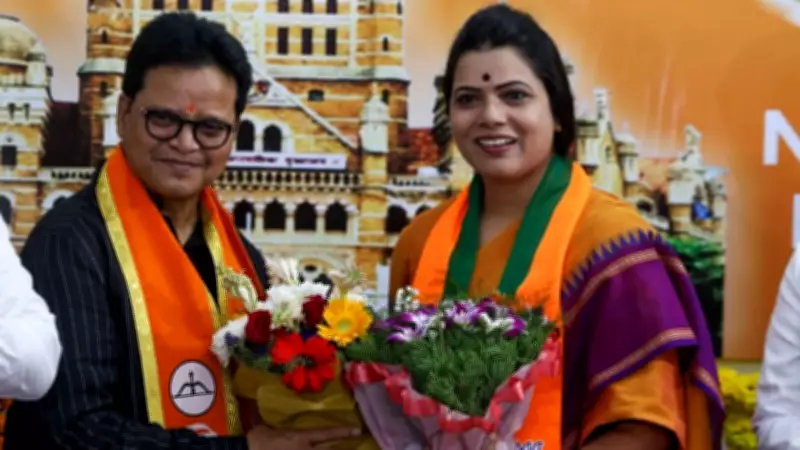
Ritu Tawde, the Bharatiya Janata Party's mayoral nominee for Mumbai, is poised to assume office on February 11 after being elected unopposed, with opposition parties yet to name a challenger. Her nomination has brought renewed attention to Mumbai's top civic post, but it raises fundamental questions about the actual power vested in this position.
Speaking after her nomination, Tawde outlined an ambitious agenda focused on infrastructure, water systems, and addressing illegal migration. "This is a cosmopolitan city with people from across the country and across different income groups working here. Our priority is to work for them and work towards fixing Mumbai's roads, infrastructure, water and drainage systems," she told reporters.
The Global Standard: Mayors Who Govern
In global cities like New York and London, mayors function as true chief executives of their municipalities. They control substantial budgets, oversee key departments, and bear direct responsibility for essential services including policing, transportation, housing, and long-term urban planning. Elections in these cities determine who governs and who faces accountability when services falter.

New York City's Model: The mayor of New York serves as the head of city government with authority over major public services including police, fire departments, public schools, transportation, housing, health services, and sanitation. The scale is immense: New York's budget for 2025-26 stands at approximately $115.9 billion, the largest municipal budget in the United States. The mayor prepares this budget, sets spending priorities, and oversees more than 325,000 city employees across departments that report directly to City Hall.
London's System: The mayor of London, directly elected by citizens, heads the Greater London Authority and controls a budget of about £20.7 billion for 2026-27. This funds public transport, policing oversight, fire services, housing programs, and economic development. Transport for London, which operates the Underground, buses, and major roads, functions under the mayor's authority with over 25,000 staff members.
Mumbai's Reality: Ceremonial Role with Limited Authority
Mumbai operates under a dramatically different framework. Despite housing one of Asia's wealthiest municipal bodies, the city's mayor possesses limited authority over finances, officials, or daily administration. The Mumbai Municipal Corporation Act of 1888 defines the mayor primarily as the presiding authority of the Municipal Corporation, responsible for chairing meetings and representing the city at official events.
Executive power rests almost entirely with the municipal commissioner, a senior Indian Administrative Service officer appointed by the Maharashtra state government. This commissioner serves as the chief executive of the Brihanmumbai Municipal Corporation, implementing decisions, managing civic departments, overseeing staff, and executing infrastructure projects.
The contrast is stark when considering financial scale: the BMC's budget for 2025-26 reached Rs 74,427 crore, surpassing the budgets of several Indian states. Yet the mayor has no role in preparing, allocating, or executing this substantial budget. The position involves no authority over appointing or disciplining officials, directing departments, or signing most contracts—all powers reserved for the commissioner under the Act.
Structural Limitations and Accountability Gaps
Mumbai's mayor is elected indirectly by corporators and serves a term of two and a half years, with responsibilities largely confined to ceremonial duties and meeting chairmanship. This creates significant accountability challenges: when civic problems emerge, responsibility becomes fragmented between the bureaucracy, state government, and elected council.
While mayors in New York and London face direct voter judgment on issues like crime levels, school outcomes, housing shortages, and transportation problems, Mumbai's mayor remains the most visible civic figure without corresponding authority to address the city's pressing challenges. This structural disconnect between visibility and power creates governance gaps in one of the world's most populous and economically significant urban centers.

The discussion around Mumbai's mayoral role gains particular relevance as India's financial capital continues to grapple with infrastructure deficits, housing crises, and urban planning challenges that require coordinated, authoritative leadership—precisely what the current system prevents the mayor from providing.