Nagpur Municipal Corporation Expands Waste Collection Fleet with 40 New Vehicles
Nagpur is taking significant steps to address its mounting solid waste management challenges. The city, which generates between 1,500 and 1,600 metric tonnes of solid waste every single day, has received a substantial boost to its collection infrastructure.
Mayor Flags Off New Fleet for Door-to-Door Collection
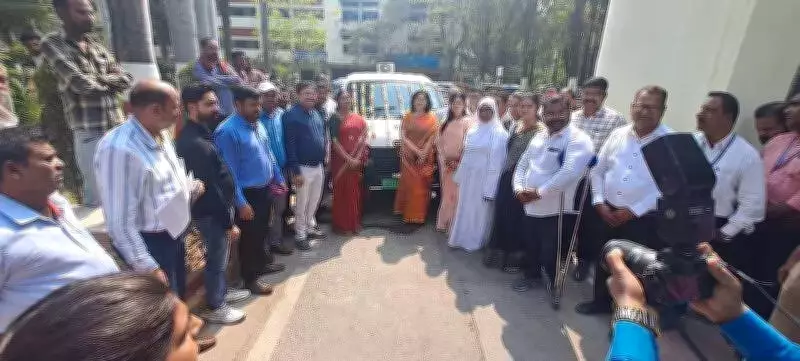
Mayor Neeta Thakre officially flagged off 40 new garbage collection vehicles on Friday, marking a crucial expansion of Nagpur's waste management capabilities. These vehicles have been added by BVG India Ltd, one of the authorized waste-lifting agencies contracted by the Nagpur Municipal Corporation (NMC).
The newly inducted fleet will be deployed specifically for door-to-door garbage collection across five zones managed by BVG: Gandhibagh, Satranjipura, Lakadganj, Ashi Nagar, and Mangalwari. What makes this expansion particularly noteworthy is its environmental consideration: of the 40 vehicles, exactly half (20) are electric vehicles (EVs), while the remaining 20 operate on diesel.

Addressing Collection Gaps in Expanding Urban Areas
Deputy Municipal Commissioner Rajesh Bhagat explained the strategic rationale behind this fleet expansion. "With urban expansion, additional vehicles were required to strengthen coverage, especially in peripheral areas," Bhagat stated. The new vehicles will primarily serve outer and rapidly developing localities where collection services have been inconsistent or inadequate.
Specific areas set to benefit include Nara, Nari, and regions located behind Kalamna market. These locations have reported significant collection gaps despite the civic body's claim of 100% door-to-door coverage citywide.
Scale of Operations and Fleet Expansion
The five zones operated by BVG cover approximately 3.20 lakh households and generate around 750 metric tonnes of waste daily. This represents nearly half of Nagpur's total garbage output. The remaining five zones—Laxmi Nagar, Dharampeth, Hanuman Nagar, Dhantoli, and Nehru Nagar—are managed by AG Enviro and account for the balance of 750–800 metric tonnes of daily waste.
With this latest addition, BVG's total fleet strength has now reached 260 vehicles. The company has been gradually expanding its operational capacity over recent years: operating 193 vehicles in 2024, adding 27 vehicles in 2025, and now inducting 40 more in 2026, including the 20 electric vehicles.
Beyond Fleet Numbers: Systemic Challenges Remain
While the addition of vehicles represents a logistical reinforcement, civic observers emphasize that Nagpur's solid waste management challenges extend far beyond fleet numbers. Several systemic issues continue to cast a shadow over the effectiveness of waste management efforts.
Residents in fringe layouts and newly developed colonies have repeatedly complained about delayed garbage lifting and irregular collection visits. The ground-level implementation of door-to-door collection varies significantly from zone to zone, despite official claims of comprehensive coverage.
Other persistent challenges include inconsistent lifting schedules, inadequate segregation of waste at source, insufficient monitoring of contractors, and the need for more scientific processing methods for collected waste.
Electric Vehicles: Environmental Promise with Operational Questions
The induction of 20 electric garbage collection vehicles has been highlighted as an environmentally conscious move by municipal authorities. This shift toward electric mobility aligns with broader sustainability goals and could potentially reduce the carbon footprint of waste collection operations.
However, the long-term effectiveness of these electric vehicles will depend on several operational factors. Maintenance requirements, charging infrastructure availability, and overall operational sustainability will determine whether this environmental initiative translates into practical, lasting benefits for the city's waste management system.

The Path Forward: Monitoring and Systemic Reforms
As Nagpur's waste generation continues to rise alongside expanding urban limits, the addition of 40 vehicles by BVG offers important logistical reinforcement. The city's daily waste output of 1,500-1,600 metric tonnes presents an ongoing challenge that requires multifaceted solutions.
Whether this fleet expansion translates into measurable improvements in urban cleanliness will depend on more than just additional vehicles. Stricter monitoring of collection operations, better contractor oversight, improved waste segregation practices, and comprehensive systemic reforms within Nagpur's solid waste management framework will be essential for creating lasting change.
The Nagpur Municipal Corporation's investment in both conventional and electric collection vehicles represents a step toward addressing immediate logistical needs while acknowledging environmental considerations. However, the true test will be how effectively these resources are deployed and integrated into a broader strategy for sustainable urban waste management.