

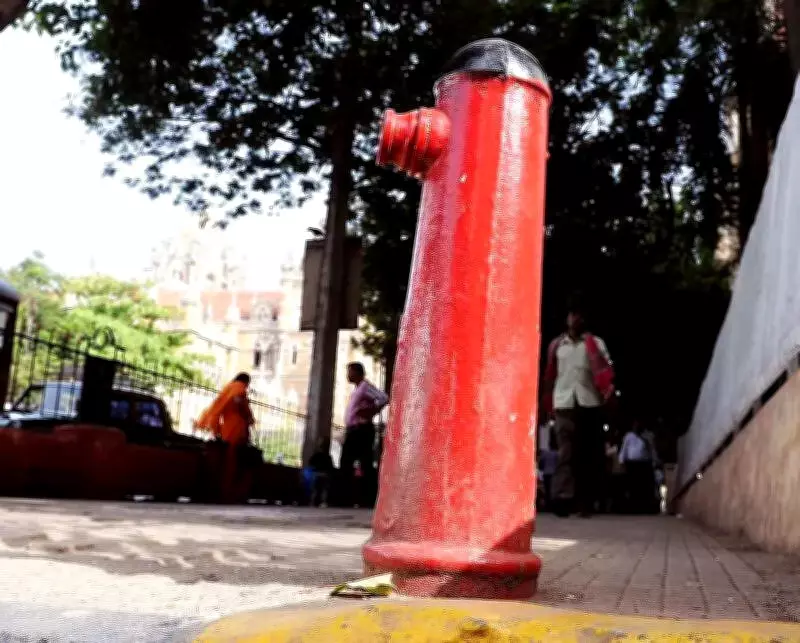
Nagpur's Fire Hydrant Network in Critical Decline: From 1,000 to Just 9 Functional
Once boasting a robust network of nearly 1,000 fire hydrants in the 1960s, Nagpur's fire safety infrastructure has undergone a dramatic and alarming shrinkage over the decades. Today, the city is left with a mere 29 hydrants in total, and shockingly, only nine of these are actually functional. This chronic decline has severely hampered firefighting operations on multiple occasions, forcing emergency teams to rely heavily on water tankers and distant water sources. Such reliance often results in critical delays during fire emergencies, putting lives and property at greater risk.
Municipal Corporation Proposes 33 New Hydrants Amid Safety Concerns
Against this backdrop of escalating fire safety concerns, the Nagpur Municipal Corporation's standing committee is set to deliberate on a crucial proposal at its meeting scheduled for April 10. The proposal aims to install 33 new fire hydrants across various parts of the city at an estimated cost of Rs55.32 lakh. This initiative is part of a broader agenda comprising nine distinct works and administrative items, collectively valued at over Rs5.9 crore. The hydrant proposal is expected to be a key focus, raising pressing questions about whether these fresh installations will genuinely revive a long-neglected system or merely serve as another incremental fix.
Persistent Issues with Defunct and Inaccessible Hydrants
The problem of defunct and inaccessible fire hydrants has persisted for years in Nagpur. Numerous hydrants have been found buried under debris, damaged beyond repair, or encroached upon, rendering them useless during emergencies. The fire department has consistently advocated for a robust and reliable hydrant network, particularly in densely populated residential areas and bustling commercial zones where even minor delays in response can lead to catastrophic fire incidents. Despite previous efforts, including the transfer of existing hydrants to the fire department for better management and control, the ground situation has seen negligible improvement, highlighting systemic failures in maintenance and oversight.

Other Major Infrastructure and Repair Works on the Agenda
Beyond the fire hydrant proposal, the standing committee's agenda includes several other significant infrastructure and repair projects. A major cement concrete road project in Prabhag 23 (Lakadganj), stretching from Shrihari Apartment to Ramji Tiles, is up for deliberation with an estimated cost of Rs2.23 crore. Another infrastructure initiative involves the construction of a cement concrete pavement from Gangabai Ghat to Gujar Nagar in Prabhag 22, pegged at Rs29.29 lakh.
Repair works also feature prominently on the agenda. Approval will be sought for the restoration of a damaged nullah retaining wall at Ramteke Nagar, with the project costing Rs34.03 lakh. Additionally, balcony repairs at the New Administrative Building have been estimated at Rs32.94 lakh, with bids coming in significantly below initial estimates, potentially offering cost savings.
Administrative Proposals and Scrutiny
On the administrative front, several proposals are likely to draw public and committee scrutiny. A notable item is the proposal to provide private vehicles to chairpersons of special committees, which carries an estimated annual financial burden of Rs60 lakh. The civic body will also consider floating fresh tenders for a three-year contract related to computer consumables and hardware, with the annual allocation increased to Rs1.2 crore.
Furthermore, the reappointment of 86 retired defence personnel for the Nuisance Detection Squad for a period of 11 months is proposed, costing Rs24.71 lakh per month. Additionally, the tenure of a land acquisition consultant may be extended by six months at a cost of Rs6.43 lakh.
As Nagpur grapples with mounting fire safety challenges, the proposed installation of new hydrants represents a critical step toward addressing a long-standing civic deficit. The outcome of the April 10 meeting will be closely watched by residents and safety advocates alike, determining whether the city can begin to rebuild its essential firefighting infrastructure or if further delays will compound existing risks.






