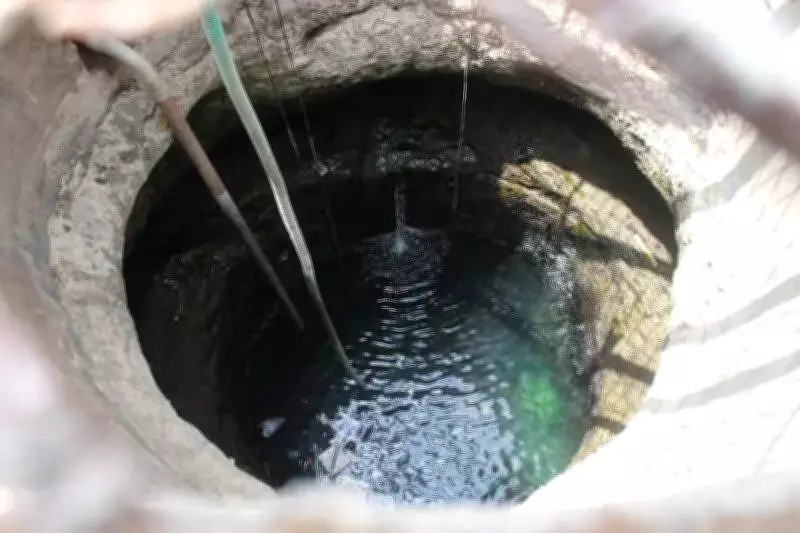
The National Green Tribunal has pulled up states, including Maharashtra, for inadequate action against illegal groundwater extraction and poor implementation of central guidelines, warning that urgent corrective steps are needed to prevent further depletion.
Suo Motu Case and Findings
Hearing a suo motu case based on a report forecasting a sharp decline in India's groundwater levels, the tribunal noted "lapses" by states and union territories in regulating usage and ensuring recharge. A compilation by the Central Ground Water Authority revealed that Maharashtra has eight overexploited groundwater units, constituting 2.2% of its total units, and has identified 164 illegal groundwater extraction structures. Environmental compensation of Rs 4.4 crore was collected until March 2025.
Weak Enforcement Across States
In its April 23 order, the tribunal observed that despite the Centre's guidelines issued in September 2020 to regulate groundwater extraction and impose environmental compensation, enforcement remains weak across states. "No effective steps have been taken" in several regions to levy penalties or curb illegal drawing, it said, pointing to gaps at the ground level.

High-Level Committee Constituted
The NGT also constituted a high-level committee to identify lapses, recommend measures to curb overextraction, and suggest groundwater recharge strategies, especially for critically stressed areas. The committee is to submit a report in three months. The next hearing is scheduled for August.
Challenges in Maharashtra
For Mumbai and the wider Maharashtra region—where groundwater remains a critical buffer during water cuts and monsoon variability—the CGWA's findings underline persistent regulatory and monitoring challenges. The data shows that district magistrates act as the primary enforcement authorities, but the tribunal indicated that institutional mechanisms are yet to deliver consistent results.
Groundwater activist Suresh Kumar Dhoka said ideally, the number of illegal users and the amount collected as fines should have been 50% higher. He expressed hope that the government machinery will now act tougher on violators.