Massive 400 MLD Sewage Treatment Plant Approved for Construction in Patna
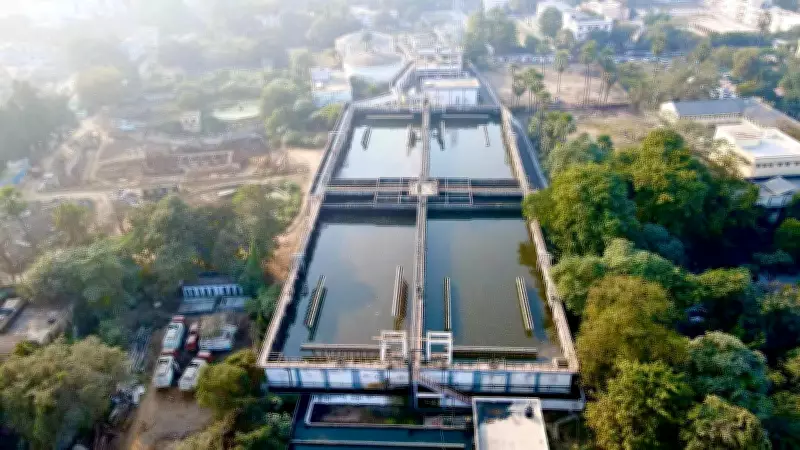
In a significant move to protect the Ganga River, Bihar's capital city Patna is set to receive the state's largest sewage treatment plant with an impressive capacity of 400 million liters per day. Following a crucial Namami Gange meeting held in Delhi, the urban development and housing department has issued directives to the Bihar Urban Infrastructure Development Corporation to commence this vital environmental project.
Strategic Interception of City Drains
Patna divisional commissioner and managing director of Buidco, Animesh Kumar Parashar, explained the comprehensive approach behind this initiative. "The fundamental concept behind constructing these sewage treatment plants is to ensure that all drains across the city are properly 'tapped' so that no contaminated water flows into the sacred Ganga River without undergoing proper treatment," Parashar stated.
He elaborated on the technical process: "The methodology involves first intercepting the existing drainage systems and then diverting them to the sewage treatment facility. Here, the sewage water undergoes thorough treatment and processing before being safely released back into the river ecosystem."

Site Selection and Project Design
According to Sweta Bhasker, the Public Relations Officer for Buidco, extensive surveys have been conducted across areas spanning from Digha to Didarganj. Based on these assessments, potential locations between Danapur and Patna City have been proposed for constructing this massive infrastructure project. The final site selection awaits formal approval from higher authorities.
The project's design phase will determine whether the facility will consist of a single 400 MLD unit or be divided into two separate 200 MLD units. This decision will be based on engineering feasibility and operational efficiency considerations.
Comprehensive Drainage Integration
The new sewage treatment infrastructure will connect multiple drainage systems across Patna using an advanced interception-and-diversion mechanism. Key areas to be integrated include:
- Digha drainage system
- Kurji drainage network
- Rajapur drainage channels
- Mandiri drainage infrastructure
- Anta Ghat drainage facilities
- Mittan Ghat drainage systems
To minimize disruption to public life and infrastructure, the project will strategically utilize existing channels wherever possible, avoiding extensive new excavations in narrow streets and congested urban areas.
Bihar's Expanding Sewage Treatment Network
Bihar currently manages 39 sewage treatment plants with a combined budget allocation of Rs 7,752 crore. The state government has ambitious plans to expand this network to 45 facilities in the near future. This expansion specifically targets the approximately 1,100 MLD of sewage water currently discharged in various towns along the Ganga River in Bihar.
A senior official overseeing the project revealed that among the existing 39 projects, 21 are currently operational across multiple districts including Munger, Bhagalpur, Chhapra, and Patna itself.
Current Status of Patna's Treatment Facilities
Patna currently operates four functional sewage treatment plants located in Beur, Saidpur, Karmalichak, and Pahadi. Additionally, facilities in Digha and Kankarbagh are partially operational, contributing to the city's wastewater management system.
Thirteen additional sewage treatment plants are currently under implementation across various districts including Motihari, Supaul, Jamui, and Rohtas, among others. These projects are scheduled for completion within the next two years, significantly expanding Bihar's wastewater treatment capacity.
Five more projects in Buxar, Muzaffarpur, Katihar, Arrah, and Lakhisarai remain in the tender phase, awaiting finalization before construction can commence.
Project Timelines and Additional Initiatives
The construction and operational setup for these sewage treatment plants typically requires approximately three years from initiation to full functionality. Beyond the massive 400 MLD Patna project, five additional sewage treatment facilities are currently in various stages of development in Khagaria, Jamalpur, Barauni, Samastipur, and Gaya.

The urban development and housing department has prioritized the comprehensive tapping of all major drains across urban centers to prevent any untreated discharge from entering the Ganga River. This initiative represents a crucial component of broader efforts to clean and preserve India's most sacred river system.