

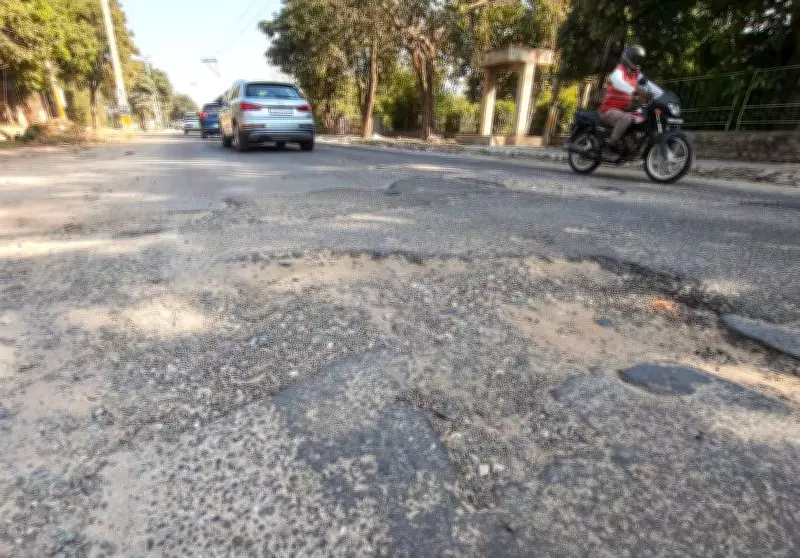
Commuters in Ludhiana's Sarabha Nagar Grapple with Pothole-Ridden Roads
Residents and daily commuters in the Sarabha Nagar area of Ludhiana are enduring significant hardships due to severely damaged and pothole-ridden roads. The deteriorating condition of these key thoroughfares has sparked widespread frustration, with many describing the situation as a daily ordeal that impacts both safety and convenience.
Traffic Chaos and Vehicle Damage on the Rise
The poor state of the roads has led to frequent traffic snarls, especially during peak hours, as drivers navigate carefully to avoid deep potholes. This not only slows down movement but also increases the risk of accidents. Vehicle owners report substantial damage to their cars and two-wheelers, including issues with suspensions, tires, and undercarriages, resulting in costly repairs. The problem is particularly acute after rainfall, when waterlogging exacerbates the hazards, making some stretches nearly impassable.
Residents Voice Concerns Over Safety and Health
Local residents have raised alarms about the safety implications, noting that pedestrians and cyclists are especially vulnerable to injuries from uneven surfaces. The lack of proper road maintenance has also contributed to dust pollution, affecting air quality and posing health risks, particularly for those with respiratory conditions. Community members highlight that repeated complaints to municipal authorities have yielded little action, leaving them to bear the brunt of the neglect.

Calls for Immediate Infrastructure Repairs
In response to the growing discontent, there are increasing demands for urgent repairs and long-term solutions. Key areas requiring attention include:
- Filling potholes and resurfacing major roads in Sarabha Nagar.
- Improving drainage systems to prevent water accumulation.
- Implementing regular maintenance schedules to avoid future deterioration.
Officials have acknowledged the issue but cite bureaucratic delays and funding constraints as obstacles. However, with the monsoon season approaching, the need for swift intervention is becoming more critical to prevent further deterioration and ensure smoother commutes for all.






