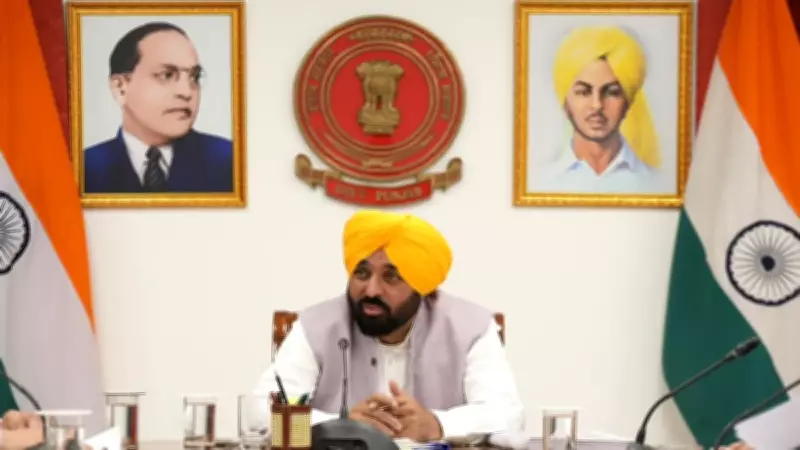
Punjab Chief Minister Bhagwant Mann has announced a state-wide free enrolment drive aimed at registering 10 lakh construction workers across the state. The initiative, which will be conducted free of cost, is designed to ensure that all construction workers are brought under the ambit of social security and welfare schemes.
Key Highlights of the Enrolment Drive
The drive will be implemented across all districts of Punjab, with special camps set up at construction sites and labour colonies. Workers can register by providing basic identification documents such as Aadhaar card, voter ID, or any other government-issued identity proof. The registration process will be entirely paperless and digital, leveraging the e-Shram portal to capture worker data.
Benefits for Registered Workers
Once enrolled, construction workers will be eligible for a range of benefits under the Building and Other Construction Workers (BOCW) Act. These include financial assistance for education of children, medical insurance, maternity benefits, and pension schemes. Additionally, registered workers will receive an e-Shram card that can be used to access various government services.

The Chief Minister emphasized that the drive is part of the state government's commitment to the welfare of unorganized sector workers. He stated that construction workers, who form a significant part of the workforce, often remain outside the formal social security net. This initiative aims to bridge that gap and provide them with the dignity and support they deserve.
Labour Minister Aman Arora will oversee the implementation of the drive, ensuring that district-level officers are held accountable for achieving registration targets. The government has set a deadline of three months to complete the enrolment of the targeted 10 lakh workers.
This move has been widely welcomed by trade unions and worker organizations, who have long demanded such a comprehensive registration drive. They believe that the initiative will not only provide immediate benefits but also create a database that can be used for future policy planning.
With this announcement, Punjab joins several other states in leveraging technology to bring informal workers into the mainstream welfare system. The success of this drive could serve as a model for other states to follow.