

Over 25,000 Tonnes of Fortified Rice from Punjab Rejected by FCI in Three Marketing Seasons
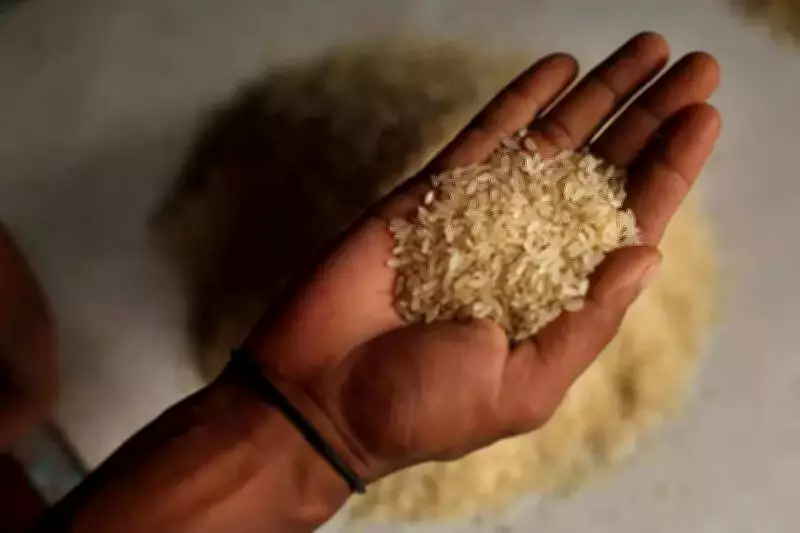
In a significant development, the Food Corporation of India (FCI) has declared a total of 25,978.5 metric tonnes of fortified rice from Punjab beyond the rejection limit or returned it during the last three marketing seasons. This information was disclosed in a reply shared in the Lok Sabha, highlighting quality control issues in the supply chain for fortified rice, which is regular rice enriched with essential micronutrients such as iron, folic acid, and vitamin B12 to combat malnutrition.
Details of Rejected Fortified Rice Quantities
According to the reply from the Union Ministry of Consumer Affairs, Food and Public Distribution, the breakdown of rejected fortified rice from Punjab is as follows:
- 2022–23: 15,660 metric tonnes declared beyond the rejection limit.
- 2023–24: 5,939.5 metric tonnes declared beyond the rejection limit.
- 2024–25: 4,379 metric tonnes declared beyond the rejection limit.
These figures were provided in response to a question raised by SAD MP from Bathinda, Harsimrat Kaur Badal, underscoring the scale of quality failures in fortified rice procurement from Punjab.

National Mandate and Quality Assurance Measures
The Centre is implementing a nationwide mandate to supply fortified rice through targeted public distribution systems, PM POSHAN, and other welfare schemes to address micronutrient deficiencies. This universal supply is set to continue until December 2028, aiming to improve public health outcomes. However, the rejection of substantial quantities from Punjab points to operational challenges.
Under existing guidelines, stock found beyond the rejection limit during quality assessment must be replaced by the concerned rice agencies or millers at their own risk and cost. This has raised concerns about financial burdens on rice shellers and millers in Punjab, especially with compulsory blending of fortified rice kernels (FRK).
Revised Testing Procedures and Streamlined Operations
To address these issues, the ministry has introduced revised quality testing procedures. Quality testing of fortified rice kernels is now conducted at the procurement stage, a shift from the earlier system where rice millers and shellers were largely responsible for ensuring FRK quality. This change reduces the compliance burden and operational risks for stakeholders, as fortified rice lots were previously affected if samples failed at later stages.
Furthermore, based on feedback from states and field implementations, FRK testing and quality assurance procedures were reviewed and streamlined. A standard operating procedure issued on July 29, 2025, and amended on December 6, 2025, strengthens end-to-end testing and oversight. These revisions ensure that only quality fortified rice kernels are blended with conventional rice, meeting the notified standards of the Food Safety and Standards Authority of India (FSSAI) and protecting public health objectives.
Procurement Data and Future Implications
The ministry also noted that approximately 20 lakh metric tonnes (LMT) of fortified rice was procured in Punjab during the Kharif Marketing Season (KMS) 2025–26. This indicates ongoing efforts to scale up fortified rice distribution despite past rejections. The revised procedures aim to enable smoother implementation for rice millers and shelling units, addressing operational issues to enhance efficiency and quality compliance.
Overall, while the rejection of over 25,000 tonnes of fortified rice from Punjab highlights significant quality control challenges, the government's revised testing frameworks and streamlined operations are steps toward ensuring that fortified rice meets safety standards and effectively addresses malnutrition across India.






