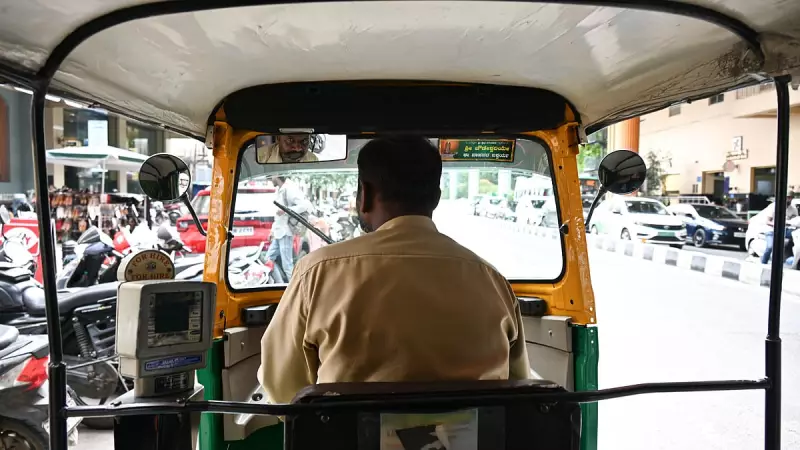
In a significant move aimed at enhancing passenger safety and regulatory oversight, the Bengaluru Traffic Police has announced the mandatory installation of QR code display cards in all autorickshaws operating in the city. This new rule, set to be enforced on a compulsory basis, marks a digital shift in the management of the city's ubiquitous three-wheeled transport.
Digital Leap for Auto Regulation
The directive was confirmed by Karthik Reddy, Joint Commissioner of Police (Traffic), Bengaluru. According to the official statement, each autorickshaw will be required to prominently display a card containing a unique Quick Response (QR) code. This code will be directly linked to the Astram App, a dedicated platform expected to serve as a central database for auto-related information and grievances.
The policy, announced with an update date of 03 January 2026, is designed to bring a new layer of transparency and accountability to the sector. Passengers will be able to scan the code using their smartphones to access crucial details about the vehicle and the driver, potentially including:
- Official registration and permit details.
- Driver identification and license information.
- A direct channel for feedback or complaint registration via the app.
How the New System Will Work
The integration with the Astram App is the cornerstone of this initiative. Once scanned, the QR code will likely pull up a verified digital profile of the auto, creating a direct link between the physical vehicle and its digital record. This system aims to address long-standing passenger concerns regarding safety, overcharging, and refusal of service by making drivers more easily identifiable and accountable to authorities.
For auto drivers, this move signifies an obligatory step towards formalization and integration with the city's evolving smart transportation framework. The police have emphasized that the installation will be mandatory for all autos, indicating widespread enforcement across Bengaluru.
Implications for Commuters and the City
The mandatory QR code system is poised to have several immediate effects on Bengaluru's transport ecosystem. For the millions who rely on autos daily, it promises a more secure and traceable travel experience. The ease of registering a complaint through a scanned code could lead to faster resolution of issues by the traffic police.
From an administrative perspective, this digital tool will provide the traffic police with real-time, verifiable data, simplifying enforcement and monitoring. It represents a concrete step towards leveraging technology for urban governance, a key theme in Bengaluru's development as a smart city.
As the January 2026 announcement sets the stage for implementation, the focus will now shift to the rollout process, ensuring all auto drivers are equipped with the QR display cards, and public awareness is generated about using the Astram App. This policy, championed by Joint Commissioner Karthik Reddy, could well set a precedent for other Indian metros grappling with similar challenges in regulating informal transport networks.