Indian Railways' Electrification Mission Drastic Diesel Reduction and Import Independence
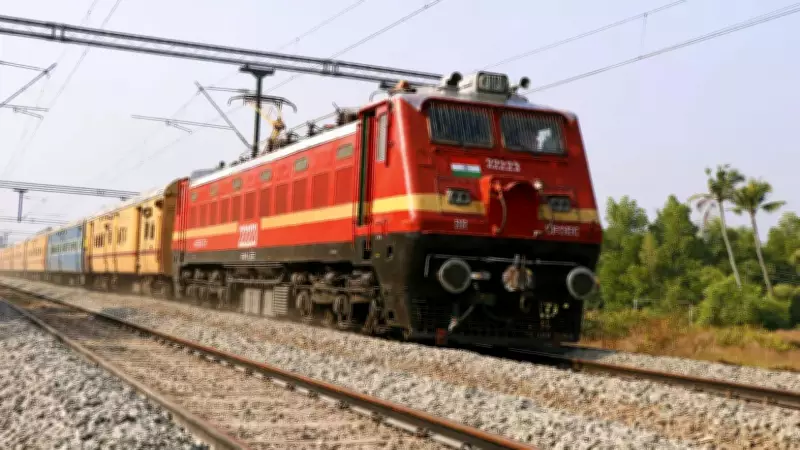
Indian Railways' accelerated push towards complete electrification has yielded remarkable results, sharply decreasing diesel consumption and reducing the nation's dependence on imported crude oil. This strategic shift is expanding cleaner, more efficient rail operations across the country's vast network.
Mission-Mode Electrification Achieves Near-Total Broad Gauge Coverage
The railway electrification mission has now achieved approximately 99.4% coverage of the Broad Gauge network, with the remaining stretches actively underway for completion. According to detailed information presented by Railways Minister Ashwini Vaishnaw in the Lok Sabha, Indian Railways saved an impressive 178 crore litres of diesel in 2024-25 compared to 2016-17 levels. This represents a substantial 62% reduction in diesel consumption over this period.
The transition to electric traction is being propelled by dual considerations: environmental sustainability and operational cost efficiency. Electric traction has proven significantly more beneficial than alternatives like bio-diesel, offering both ecological advantages and long-term economic savings.

Decade of Accelerated Progress in Railway Electrification
Electrification progress has dramatically accelerated over the past decade. Historical data reveals that before 2014, approximately 21,801 route kilometres were electrified over nearly 60 years. In striking contrast, 46,900 route kilometres have been electrified between 2014 and 2025. The momentum has been particularly strong recently, with 10,932 route kilometres electrified since 2023-24 alone, continuing through January 2026.
Railway authorities have confirmed that all new line and multi-tracking projects are now being sanctioned and constructed with electrification as a standard, integrated feature from inception.
Majority of Railway Zones Achieve Full Electrification
Several key railway zones have already accomplished 100% electrification, demonstrating comprehensive progress. These include:
- Central Railway
- Eastern Railway
- Northern Railway
- Western Railway
- East Coast Railway
- East Central Railway
- South Central Railway
- South Eastern Railway
- South East Central Railway
- West Central Railway
Additionally, Konkan Railway and Kolkata Metro have also achieved complete electrification, showcasing the widespread implementation.
Several other zones are approaching full completion:
- North Western Railway: 99%
- Northeast Frontier Railway: 99%
- Southern Railway: 98%
- South Western Railway: 96%
State-Level Electrification Achievements Across India
At the state and Union Territory level, 25 regions have achieved 100% electrification of their railway networks. Other states show strong progress:
- Rajasthan: 99%
- Assam: 98%
- Tamil Nadu: 97%
- Karnataka: 97%
- Goa: 91%
Geographically, this progress reflects a near nationwide transition to electric traction, encompassing major freight corridors and critical passenger routes across the country.
Substantial Investment in Electrification Infrastructure
During the five-year period from 2020-21 to 2024-25, Indian Railways invested Rs 29,826 crore in electrification projects, including significant works in Tamil Nadu and other regions. Railway officials note that project completion timelines are influenced by various external factors including forest clearances, utility shifting requirements, statutory approvals, challenging terrain conditions, law and order considerations, and climate-related working constraints.
Electric Traction Reduces Energy Import Burden
The ministry emphasizes that this transition has significantly reduced dependence on imported crude oil while simultaneously improving long-term operational cost efficiency. Indian Railways spent Rs 32,378 crore on total traction energy consumption during 2024-25, with electric traction proving substantially more economical than diesel alternatives.

Officials clarified that while bio-diesel testing has been undertaken in previous years, electric traction remains significantly more beneficial from both cost perspectives and environmental standpoints, offering superior efficiency and sustainability.
Parallel Initiatives: Waste Management and Passenger Experience Enhancement
Alongside the electrification drive, Railways is expanding comprehensive waste management and cleanliness infrastructure across trains and stations nationwide. Waste collected inside trains is systematically disposed at designated en-route stations. On-board housekeeping staff are strictly prohibited from dumping waste on tracks, with penalties imposed for violations.
Regular rag picking along tracks maintains cleanliness, while plastic bottle crushing machines have been installed at stations as required. Many stations have introduced two-bin segregation systems to separate biodegradable and non-biodegradable waste at the source itself.
Railways has established partnerships with municipal bodies for efficient waste disposal based on local feasibility. Substantial infrastructure including sewage treatment plants, effluent treatment plants, and material recovery facilities has been installed at multiple strategic locations across the network.
Regular passenger awareness campaigns encourage proper waste disposal practices, while cleanliness drives under the Swachh Bharat Abhiyan are organized periodically to maintain high hygiene standards throughout the railway system.
Bio-Toilet Expansion Eliminates Direct Waste Discharge
Complementing these efforts, Railways has significantly expanded installation of bio-toilets to eliminate direct discharge of human waste from trains. Between 2004 and 2014, 9,587 bio-toilets were installed. Since 2014, this initiative has accelerated dramatically, with 3,61,572 bio-toilets fitted in passenger coaches, representing massive progress in sanitation and environmental protection.