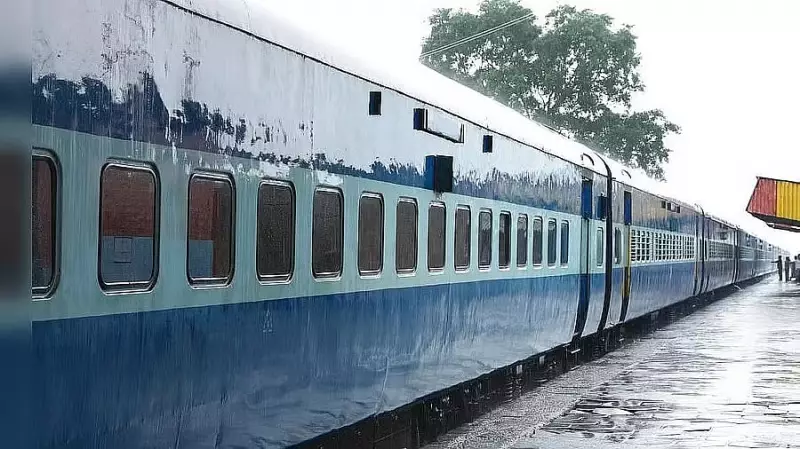
Indian Railways has once again fallen short of its own timeline for deploying a critical safety shield across one of its most important networks. The national transporter has missed its second consecutive deadline for installing the indigenous Kavach system on the high-density corridors connecting Mumbai, Delhi, and Kolkata.
What is the Kavach System and Why the Delay?
The missed deadline, which was set for the end of 2025, pushes the anticipated completion of this massive safety upgrade to 2026. Kavach, which translates to 'armour', is India's homegrown Automatic Train Protection (ATP) system. It is designed to automatically bring a train to a halt if it detects another train on the same line, thereby preventing collisions. Experts describe it as a highly technology-intensive and vital layer of safety for the world's fourth-largest rail network.
The initial plan aimed to equip these crucial routes with Kavach much earlier. The repeated postponements highlight the significant technical and logistical challenges involved in retrofitting such a sophisticated system across thousands of kilometers of existing track and rolling stock. The Railways now has its sights firmly set on achieving full implementation by the new target of 2026.
The Strategic Importance of the Golden Corridor
The routes in question—linking the financial capital Mumbai, the national capital Delhi, and the eastern hub Kolkata—form part of the Railways' busiest and most economically significant network, often called the Golden Corridor. This corridor handles a massive volume of passenger and freight traffic daily. Prioritizing it for Kavach installation underscores its strategic importance for national safety and commerce.
The core function of Kavach includes:
- Automatically applying brakes if a locomotive pilot misses a signal.
- Preventing collisions by maintaining a safe distance between trains.
- Providing real-time information to crew inside the cabin.
Its successful deployment is seen as a cornerstone of the Railways' modernization and safety enhancement drive.
Looking Ahead to the 2026 Deadline
While the delay is a setback, the Railways maintains that the project is a top priority. The extension to 2026 provides a more realistic timeframe to address the complex installation process, which involves extensive testing and integration with signaling infrastructure. The focus remains on ensuring the system is foolproof before a nationwide rollout.
This development puts a renewed spotlight on the balance between ambitious infrastructure goals and the practical realities of executing complex, safety-critical technology projects on a gigantic scale. All eyes will now be on the Railways to meet the revised 2026 deadline for fortifying these vital arteries with the protective 'Kavach'.