Rajasthan Sets New Power Peak Record, Avoids Load Shedding During Critical Rabi Season
In a significant achievement for the state's energy sector, Rajasthan successfully managed a record peak electricity demand of 20,600 megawatts (MW) during the recent Rabi crop season without resorting to any load shedding. This marks a dramatic turnaround from the 2022-23 period when peak demand stood at 17,840 MW and power cuts were frequent occurrences, disrupting agricultural and daily activities.
Minister Highlights Improved Power Management and Farmer Benefits
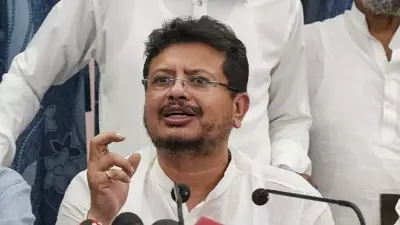
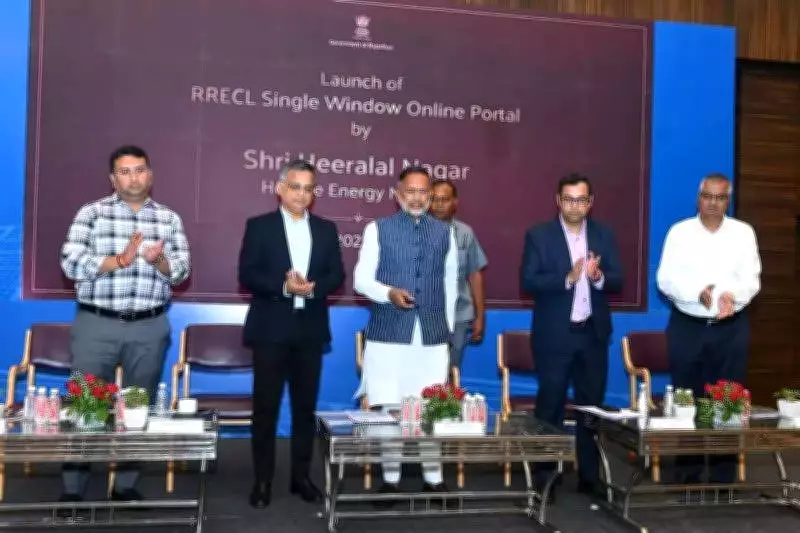
Energy Minister Heeralal Nagar, addressing the Assembly on Tuesday, emphasized that the state has successfully navigated the Rabi season, avoiding the law-and-order issues that previously arose due to severe power shortages. He reiterated the government's firm commitment to providing electricity to all farmers in two daytime blocks by the year 2027, a crucial step for agricultural productivity.
Currently, more than 4,100 rural 33 kV substations are already supplying power in two blocks, with ongoing system strengthening efforts in the remaining areas to ensure reliable distribution. Over the past two years, the department has released more than 2.09 lakh new agriculture connections, effectively addressing a backlog of long-pending applications from farmers across the state.

Solar Power and Financial Savings Under PM-KUSUM Scheme
A major financial boost has come from decentralized solar plants established under the central government's PM-KUSUM scheme. By procuring 2,682 million units of solar power at an average rate of Rs 3.21 per unit until December 2025, distribution companies have saved nearly Rs 440 crore compared to prevailing market exchange rates. This strategic move not only enhances renewable energy integration but also stabilizes costs for consumers.
Scrapping Costly Banking Arrangements and Infrastructure Reforms
The current government has scrapped the previous Congress administration's controversial "banking" arrangement for electricity. Under this system, power was borrowed from other states during the Rabi season at around Rs 5 per unit and repaid during summer months at significantly higher rates of Rs 8–10 per unit, leading to substantial financial losses and supply disruptions.
"This banking mechanism caused huge losses and compromised supply reliability," Minister Nagar stated, highlighting the inefficiencies that have now been addressed.
On the infrastructure front, the government cancelled two turnkey work orders from the previous Congress government worth Rs 569 crore for the construction of 42 grid substations under the build-own-operate-transfer model. The minister alleged serious violations of Rajasthan Transparency in Public Procurement (RTPP) rules, including tender condition changes that favored a single bidder.
- The estimated project cost was Rs 164 crore, but contracts were awarded at 246% above estimated rates.
- A high-level probe led to the revocation of these orders.
- Disciplinary action has been initiated against involved officials.
- Prior approval was granted to the Anti Corruption Bureau (ACB) under the Prevention of Corruption Act for a thorough investigation.
Reduction in Technical and Commercial Losses
The energy department has also made substantial progress in reducing technical and commercial losses, improving overall efficiency:
- Distribution losses declined from 17.10% in 2023-24 to 14.30% in 2024-25.
- Aggregate Technical and Commercial (AT&C) losses fell from 21.81% to 15.27%.
- The ACS-ARR gap, which previously reflected losses of 20–31 paise per unit, has now turned into a marginal profit of 4 paise per unit.
These improvements underscore a comprehensive approach to enhancing Rajasthan's power infrastructure, ensuring reliable supply during peak demand periods while fostering sustainable growth through renewable energy and robust governance.