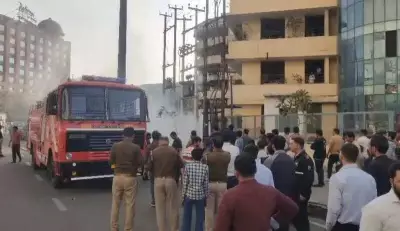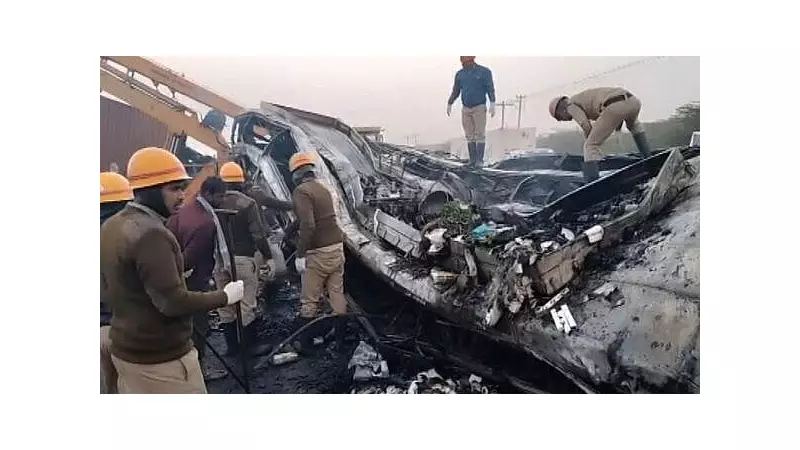
The grim regularity of fatal bus accidents on Indian roads has once again forced an uncomfortable national conversation. Each tragedy is followed by a familiar cycle of shock, temporary outrage, and promises of action, only for the pattern to repeat. This reactive approach has proven catastrophically insufficient. It is time to move road safety from the periphery of public discourse to its very centre, treating it not as an afterthought but as a non-negotiable pillar of public policy and transport governance.
Unanswered Questions Haunt India's Transport System
Every major bus crash leaves behind a trail of painful questions that often go unanswered. A critical inquiry that emerges is whether buses are genuinely designed and operated with passenger safety as the foremost concern. Beyond the basic structure, this encompasses everything from the quality of materials and maintenance protocols to driver training and fatigue management. The design philosophy must anticipate real-world crash scenarios, not just meet minimum regulatory standards.
Another persistent and deadly issue revolves around what is permitted in luggage holds. Investigations following accidents have repeatedly revealed hazardous materials, excessive weight, or improperly secured cargo contributing to the severity of crashes and hindering rescue efforts. The compartment meant for baggage can become a hidden chamber of risk, with flammable liquids, industrial chemicals, or overloaded goods transforming a vehicle into a potential fireball or an unstable, top-heavy menace.
A Failure of Proactive Enforcement
The most damning pattern is the discovery of violations—be it faulty brakes, bald tyres, overloaded cargo, or a driver's history of offences—only after lives have been lost. This points to a systemic failure in proactive enforcement and monitoring. Reliance on periodic checks or action triggered solely by tragedy allows countless unsafe vehicles to operate daily. The enforcement mechanism needs a technological and philosophical overhaul, shifting from a punitive, post-accident model to a preventive, real-time one.
This failure is compounded by a culture of impunity where operators often believe they can bypass regulations without consequence. Until consistent, visible, and stringent enforcement makes compliance the only viable option, violations will continue to fester, waiting for the wrong moment on a highway to claim lives.
The Path Forward: From Reaction to Prevention
Transforming road safety requires a multi-pronged strategy that addresses both human and systemic factors. First, vehicle design and manufacturing standards must be rigorously enforced and regularly updated to incorporate the latest safety technologies. Second, a transparent and technology-driven monitoring system for cargo, vehicle health, and driver behaviour is non-negotiable. GPS, sensors, and digital logs can provide continuous data instead of relying on sporadic manual checks.
Finally, accountability must be clear and timely. When violations are found, the responsibility must travel up the chain—from the driver and conductor to the transport operator and the officials tasked with oversight. The public inquiry following a crash must lead to actionable reforms, not just become another forgotten report. The lives lost on 30 December 2025, and on countless dates before, demand nothing less than a fundamental reimagining of how India safeguards its citizens on the move. Road safety cannot be an afterthought; it must be the first thought, every day.