In a significant move to bolster its waste processing infrastructure, Bengaluru is set to get a new, modern waste management facility with an investment of around Rs 100 crore. The project will be developed on a key land parcel in the Kogilu area, which has recently been freed from illegal encroachments.
Land Secured for Major Infrastructure Project
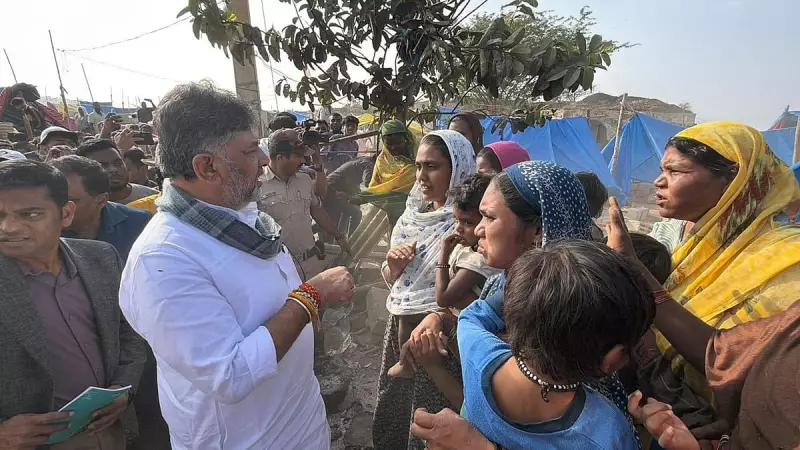
The executing agency, Bengaluru Solid Waste Management Ltd (BSWML), is now in possession of the crucial nine-acre plot required for the project. This land acquisition follows a successful anti-encroachment drive that cleared the site, paving the way for the construction of the much-needed facility. The clearance of the land was a critical step, as securing uncontested space for large-scale civic utilities in the growing city is often a major challenge.
Details of the Planned Waste Management Facility
The proposed facility, with its substantial Rs 100 crore investment, is expected to significantly enhance the city's capacity to process solid waste in a scientific and environmentally sound manner. While detailed technical specifications are yet to be fully disclosed, such facilities typically include material recovery systems, composting units, and sometimes waste-to-energy plants. This development is part of a broader strategy to move away from landfill-dependent waste disposal and towards processing and recycling.
The announcement was made public on 29 December 2025, marking a firm commitment by the civic authorities to address Bengaluru's persistent waste management challenges. The Kogilu site's location will be strategic in managing waste from specific zones of the city, helping to decentralize processing and reduce transportation costs and carbon footprint.
Implications for Bengaluru's Urban Management
This project highlights two ongoing struggles for Indian metropolises: managing urban waste effectively and reclaiming public land from encroachment. The successful clearance of the Kogilu site demonstrates administrative will, while the planned investment shows a focus on long-term infrastructure solutions.
The new facility is anticipated to have several positive outcomes:
- Increased Processing Capacity: It will add substantial daily tonnage capacity to the city's waste processing network.
- Environmental Benefits: Scientific processing will reduce pollution and greenhouse gas emissions compared to dumping in landfills.
- Resource Recovery: The facility will enable the recovery of recyclables and compost, promoting a circular economy.
The success of this Rs 100 crore project will depend on timely execution, efficient operation, and seamless integration with the city's waste collection logistics. It represents a critical step forward in Bengaluru's journey towards sustainable urban living.