

South Western Railway Achieves Zero Major Accidents in FY 2025-26, Marking First Clean Sheet in Three Years
In a significant safety milestone, the South Western Railway (SWR) zone reported no major accidents during the 2025-26 fiscal year. This achievement marks the first time in the last three years that the zone has maintained a clean sheet in terms of consequential accidents, which are defined as serious incidents involving loss of life, injury, property damage, or significant disruption to rail traffic.
Derailments and Safety Incidents: A Closer Look
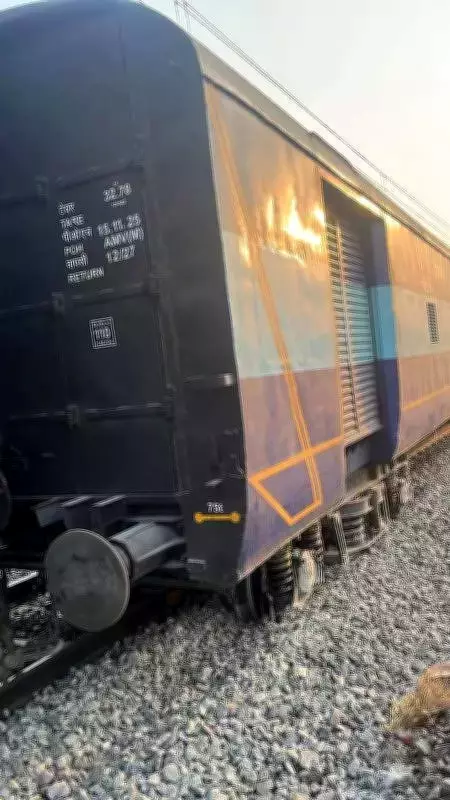
Despite the absence of major accidents, the SWR zone experienced six derailments during the financial year. These incidents were classified as non-consequential, meaning they did not result in severe repercussions. Among these derailments, five occurred when trains were either stationed or moving through railway stations, indicating potential operational or infrastructure issues.
The latest derailment took place on February 17, when an empty goods wagon derailed between Bidadi and Ramanagara stations. This incident disrupted train services along the busy Bengaluru-Mysuru route, underscoring the impact of such events on daily operations.

Historical Context and Safety Concerns
Over the past six fiscal years, the SWR zone has recorded eight consequential accidents. These were distributed across its divisions: four in Hubballi, three in Bengaluru, and one in Mysuru. All of these accidents involved serious derailments, affecting five passenger trains and goods wagons.
In addition to derailments, the zone reported a case of signal passing at danger (SPAD) during the year. While classified as non-consequential, SPAD incidents occur when a train moves past a red signal without proper authorisation and can potentially lead to serious accidents, including collisions between trains.
Officials have expressed concern over SPAD incidents, particularly as the Kavach anti-collision system has not yet been fully implemented within the SWR zone. The absence of this advanced safety technology highlights ongoing vulnerabilities in railway operations.
Implications for Railway Safety and Future Measures
The reduction in major accidents is a positive development, but the persistence of derailments and SPAD incidents points to areas needing improvement. Enhanced monitoring, infrastructure upgrades, and the eventual rollout of the Kavach system are critical steps to further bolster safety.
This report underscores the importance of continuous investment in railway safety mechanisms to prevent accidents and ensure the reliability of train services across the region.






