Tax Breaks and Potholes: Why Infrastructure, Not Incentives, Lures Diaspora Home
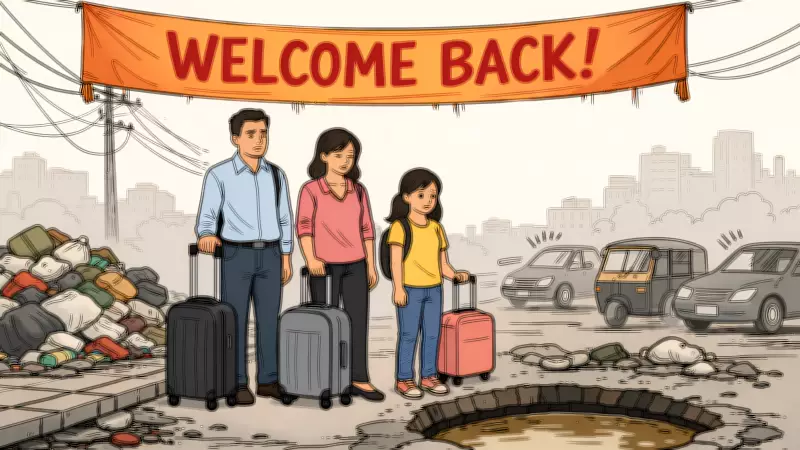
In a compelling analysis of reverse migration trends, experts are highlighting that tax breaks and financial incentives alone are insufficient to attract the Indian diaspora back to their homeland. The persistent issue of poor infrastructure, notably pothole-ridden roads, emerges as a critical barrier that undermines efforts to encourage non-resident Indians (NRIs) and persons of Indian origin (PIOs) to return.
The Limits of Financial Lures
Governments and policymakers have often touted tax exemptions, investment schemes, and other monetary benefits as key tools to woo the diaspora. However, these measures fall short when basic civic amenities are lacking. While tax incentives might provide short-term economic relief, they do not address the daily quality-of-life challenges that deter potential returnees. Many in the diaspora, accustomed to well-maintained public services abroad, find the contrast stark upon considering a move back.
Infrastructure as the Deciding Factor
The state of infrastructure, particularly transportation networks, plays a pivotal role in migration decisions. Potholes and poorly maintained roads symbolize broader systemic issues, including:

- Inadequate urban planning that leads to traffic congestion and safety hazards.
- Inconsistent public utilities such as water supply and electricity, which disrupt daily routines.
- Environmental concerns like pollution and waste management, affecting health and well-being.
These factors collectively create an environment that is less appealing for those seeking stability and comfort, overshadowing any financial perks offered.
Broader Implications for Development
This discussion underscores a larger truth about national development: sustainable growth requires robust infrastructure as much as economic policies. Attracting global talent and investment hinges on creating livable cities with reliable services. Without addressing these foundational issues, efforts to leverage the diaspora for economic gains may remain limited.
In conclusion, while tax breaks can be part of a broader strategy, they are not a panacea. To truly lure the diaspora home, India must prioritize infrastructure upgrades that enhance everyday life, making the country a more attractive destination for reverse migration.