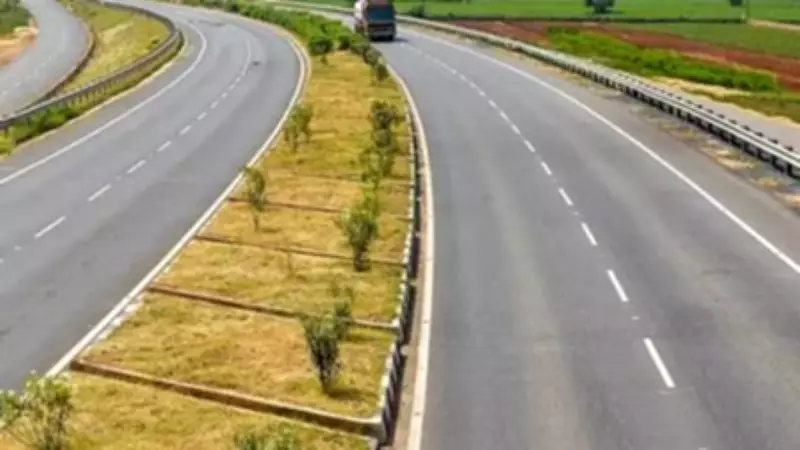
Toll Relief Announced for Partially Operational Expressways
In a significant move aimed at providing relief to commuters, the Ministry of Road Transport and Highways has issued a notification that standardizes toll rates on partially opened expressways with those of regular national highways. This decision directly impacts major corridors such as the Delhi-Mumbai, Delhi-Katra, and Amritsar-Jamnagar expressways, where tolls will now be charged at the standard national highway rate instead of the previously higher expressway fee.
Key Details of the New Toll Policy
The notification, issued this week, specifies that the toll fee for any national expressway operating on only a part of its notified length shall be levied at the normal national highway rate. This policy will remain in effect for a period of one year or until the expressway becomes fully operational, whichever occurs earlier. This marks a departure from the previous system, where expressway tolls were set at 1.25 times the rate of other national highway stretches.
Background and Rationale for the Change
The decision follows a proposal from the highways ministry, which received approval from the finance ministry earlier this year. The primary rationale behind this adjustment is the recognition that commuters do not benefit from the full facilities of an expressway until the entire stretch is open for use. Additionally, the highways ministry highlighted that higher toll rates were discouraging vehicles, particularly heavy commercial vehicles, from using these partially opened corridors, thereby reducing traffic uptake and potential revenue.

Future Considerations and Contractor Accountability
The finance ministry has indicated that a decision on whether to extend this toll relief beyond the initial one-year period will be based on the actual traffic uptake observed on these expressways. Furthermore, the ministry has directed the highways ministry to impose penalties on contractors for any delays in completing the construction works, ensuring that projects are finalized in a timely manner to avoid prolonged partial operations.
This policy shift is expected to ease the financial burden on daily commuters and commercial operators while encouraging greater use of these developing infrastructure assets. It reflects a responsive approach to public concerns and economic practicality in India's ongoing efforts to enhance its road network.