Bihar Government Unveils Ambitious 130-km Green Corridor Project
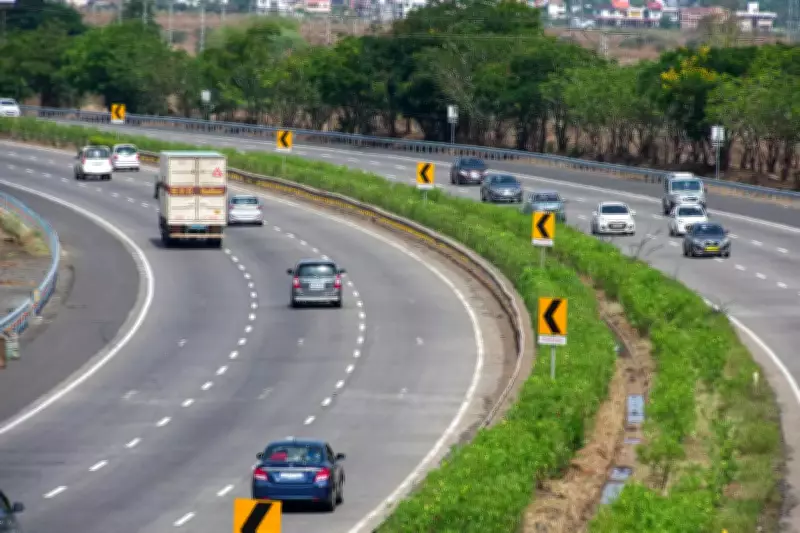
In a significant move to enhance environmental sustainability and promote tourism, the Bihar state government has announced plans to develop a 130-kilometer green corridor stretching from Patna to Dobhi. The announcement was made by Environment, Forest and Climate Change Minister Pramod Chandravanshi during the Question Hour in the legislative assembly on Thursday.
Key Features of the Green Corridor Initiative
The project includes the installation of selfie points at intervals of every 10 kilometers along the highway, aimed at attracting tourists and encouraging social media engagement. Minister Chandravanshi emphasized that fruit trees such as mango, jamun, lemon, and amla will be planted along the corridor to support eco-tourism efforts.
Economic and Environmental Benefits

Responding to queries from BJP MLA Nitish Mishra and other legislators, the minister highlighted that farmers will be incentivized to plant fruit trees along the four-lane highway. This initiative is expected to increase farmers' income by reducing transportation costs for their produce. Additionally, the plantation drive will contribute to increased greenery, reduced pollution levels, and a strengthened environmental balance.
Addressing Implementation Challenges
MLA Nitish Mishra raised concerns about delays in the project due to pending clearances from the central government. He also pointed out that tourists often visit Bihar but do not stay due to inadequate facilities, urging the government to frame a comprehensive maintenance policy for tourist sites. In response, Minister Chandravanshi assured that work would commence soon, with plantation activities scheduled to begin before the monsoon season in June-July.
"Plantation will begin this year before the monsoon. Trees such as jamun, mango, neem, banyan, paakad, and peepal will be planted on both sides of the highway," the minister stated. He added that an eco-tourism committee would be formed to oversee maintenance, with involvement from residents of Patna, Jehanabad, and Gaya districts.
Broader Environmental Context and Other Government Initiatives
During the assembly session, JD(U) MLA Manjit Singh highlighted that seven cities in Bihar are among the most polluted in India, citing lower green cover in Patna compared to Delhi. In response, Deputy Chief Minister Vijay Kumar Sinha, who also holds the urban development and housing portfolio, mentioned that the government is adopting the Miyawaki technique to accelerate plantation efforts across the state.
In a related development, Education Minister Sunil Kumar announced plans to open a high school in every panchayat, addressing concerns about limited access to quality education in rural and semi-urban areas. This initiative aims to provide Kendriya Vidyalaya-level education beyond urban centers, with MLA Trivikram Singh emphasizing the need for all-weather motorable roads to schools to prevent student dropouts during the monsoon.
Lighter Moments and Additional Discussions
The session also featured a lighter moment when Saharsa MLA I P Gupta arrived without his turban to draw attention to a drainage scheme in the Saharsa municipal area. Deputy CM Vijay Sinha humorously assured that the government would "protect the honour of your turban (pagdi)," while discussing a proposed drainage scheme initially budgeted at approximately Rs 213 crore in 2017, with later discussions focusing on approval for Rs 137 crore.
The green corridor project represents a holistic approach to combining environmental conservation with economic and tourism development, setting a precedent for similar initiatives in other districts of Bihar.