Budget Proposal to Tax Disability Pensions Sparks Outrage Among Military Veterans
A controversial proposal in the 2026 Union Budget has ignited significant anger among military veterans across India. The government's plan seeks to roll back a tax exemption on disability pensions that has been in place for over a century, specifically targeting veterans who continued serving despite disabilities and retired at superannuation.
Understanding Disability Pensions and Their Historical Tax Status
Disability pensions represent crucial financial support for armed forces personnel who have suffered or aggravated disabilities during their military service. This benefit typically consists of two components: a service element based on length of service, and a disability element determined by the percentage of disability assessed by medical authorities.
Since 1922, disability pensions for armed forces personnel have enjoyed complete exemption from income tax under the old Income Tax Act. This longstanding practice received formal reaffirmation through a Central Board of Direct Taxes circular issued in 2001. Even when the Income Tax Department attempted to withdraw this exemption in 2019 for personnel not "invalided out," the Supreme Court intervened in 2021, staying the order and maintaining the exemption based on established precedent.

The Proposed Changes in the 2026 Union Budget
The Finance Bill 2026, presented on February 1, 2026, proposes significant amendments to the Income Tax Act that would restrict full tax exemption on disability pensions exclusively to "personnel invalided out of service due to bodily disability attributable to or aggravated by military duty."
This means veterans who continued serving despite disabilities and retired either at superannuation or through premature retirement would lose this tax benefit effective April 1, 2026. The distinction creates two categories within the same class of disabled personnel: those medically boarded out retain the exemption, while those who served through their disabilities face taxation.
Veterans' Strong Opposition and Constitutional Concerns
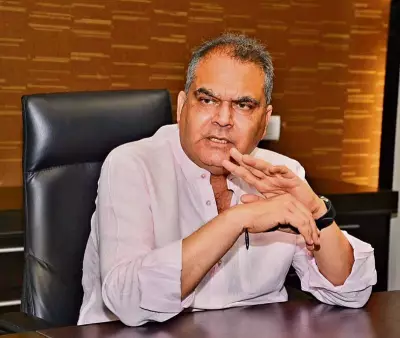
Retired military personnel have voiced vehement opposition to what they describe as a "discriminatory and arbitrary" policy change. Colonel Gaurav Sharma (retired) from 14 Grenadiers, personally affected by the proposal, argues that it creates an unjust distinction between individuals with identical service-attributable disabilities based solely on administrative decisions beyond their control.
"Two individuals with identical service-attributable disabilities now face different tax treatment based solely on whether the organization invalided them out or allowed them to continue serving," Sharma explains. He contends this violates constitutional principles of equality before the law and the right to live with dignity, particularly affecting elderly veterans from conflicts like 1965 and 1971.
Veterans emphasize that continuing service despite disability often involves significant career sacrifices, as promotions and appointments frequently suffer due to medical downgrading. Taxing their pensions, they argue, penalizes resilience and adds financial hardship during retirement years when supplementing income proves challenging.
Political Support and Broader Concerns
The proposal has drawn criticism across political lines. Captain Viriato Fernandes, a former Navy officer and South Goa MP, has written to Defence Minister Rajnath Singh urging reconsideration. Lieutenant General (retired) DP Vats has similarly appealed to the Finance Minister, while Congress MPs Karti Chidambaram and Shashi Tharoor have voiced opposition in Parliament.
Former Army Chief General VP Malik (retired) has called the measure "totally unjustified," highlighting broader concerns about social protection for disabled veterans who risked their lives for national security.
Government Rationale and Fiscal Context
While the government hasn't explicitly stated reasons for the change, indications suggest it aligns with broader efforts to streamline tax exemptions and control revenue expenditure. The 2026-27 defence budget allocation stands at approximately Rs 7.84 lakh crore, with defence pensions accounting for 21% (Rs 1.71 lakh crore) of this total.

The government has long sought to reduce revenue expenditure like pensions while increasing capital outlay for modernization. Some sources suggest concerns about potential misuse of the exemption may have influenced the decision, though critics argue that strengthening verification processes would address such issues more effectively than penalizing all affected veterans.
Scale of Impact and Historical Precedent
Between 10,000 and 12,000 armed forces personnel receive disability pensions annually according to 2021 Parliament data, with 54,846 personnel provided such pensions between 2016 and 2020. Critics note that superannuated recipients significantly outnumber those "invalided out," suggesting the fiscal impact might be limited while the human impact proves substantial.
The proposed change represents a dramatic departure from a policy maintained for 104 years, breaking what veterans describe as an "implied service contract" upheld through generations of military service. As the debate continues, affected veterans await potential revisions to a proposal that has stirred deep emotions within India's military community.