Cabinet Greenlights Major Railway Infrastructure Boost Worth Rs 9,000 Crore
The Cabinet Committee on Economic Affairs, under the leadership of Prime Minister Narendra Modi, has given its formal approval to three significant railway multitracking projects with a combined value of Rs 9,000 crore. This strategic decision is poised to transform rail connectivity across multiple states, directly benefiting over 5,000 villages with a cumulative population nearing one crore residents.
Gondia-Jabalpur Track Doubling: A Game-Changer for Tourism and Trade
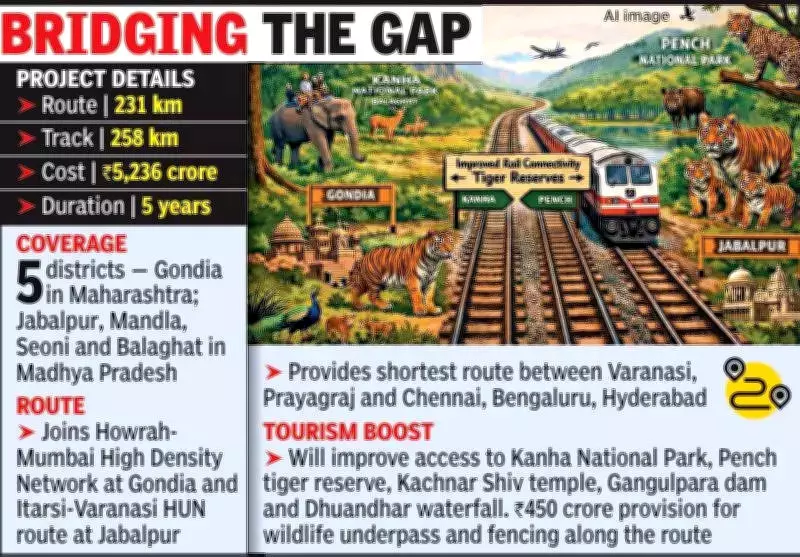
Among the three approved initiatives, the Gondia-Jabalpur track doubling project stands out as a critical infrastructure enhancement. This development will significantly improve access to several prominent tourist attractions and wildlife reserves in Maharashtra and Madhya Pradesh. Specifically, rail connectivity will be bolstered to Kanha National Park in Balaghat and Pench National Park, both renowned tiger conservation areas in central India.
Furthermore, the capacity expansion will facilitate better rail access to key landmarks such as the Kachnar Shiv Temple in Jabalpur, the majestic Dhuandhar waterfall, and the Bargi Dam. Beyond tourism, this route serves as a vital economic corridor for the transportation of essential commodities including coal, steel, iron ore, cement, manganese, fertilizers, and foodgrains.

Additional Projects in Bihar and Jharkhand
The cabinet's approval also encompasses two other crucial projects: the Punarakh-Kiul 3rd and 4th line and the Gamharia-Chandil 3rd and 4th line, both located in Bihar and Jharkhand. These initiatives are designed to enhance rail connectivity to several tourist destinations, including Chandil Dam, Dalma Hill Top, Hesakocha Waterfall, Raijama Ghati, Dalma Wildlife Sanctuary, and Gangulpara Dam and Waterfall.
These routes are instrumental for the movement of industrial materials such as coal, steel, fly ash, and limestone, thereby supporting regional economic activities.
Comprehensive Impact and Environmental Benefits
Collectively, these three projects are projected to generate an additional freight traffic capacity of 52 million tonnes per annum, marking a substantial boost to the nation's logistics and supply chain efficiency. The initiatives span eight districts across Maharashtra, Madhya Pradesh, Bihar, and Jharkhand, with an anticipated completion timeline set for 2030-31.
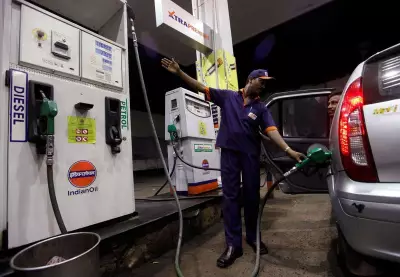
Aligned with the PM-Gati Shakti National Master Plan, these capacity augmentation efforts are expected to yield significant environmental advantages. Projections indicate a reduction in oil imports by six crore litres annually and a decrease in CO2 emissions by 30 crore kg each year, contributing to India's sustainability goals.
Strategic Infrastructure Development
This approval underscores the government's commitment to enhancing multimodal connectivity and fostering economic growth through robust infrastructure development. By improving rail networks in these regions, the projects aim to stimulate tourism, facilitate trade, and provide better accessibility to remote villages, thereby driving overall regional development.