Delhi Government Approves Major Skill Development Initiative for Artisans
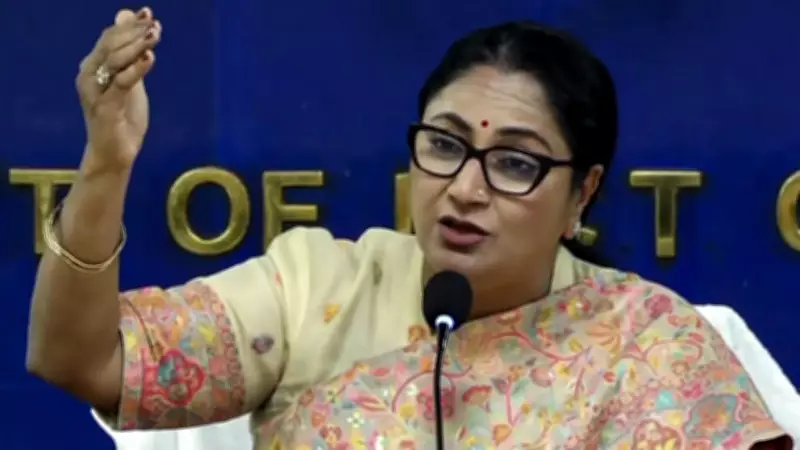
The Delhi government has given its official approval to the Chief Minister Skill Development Scheme, a comprehensive program designed to provide structured training, financial support, and direct digital market access to artisans working in khadi, handloom, cottage industries, and the unorganised sector. This decision was finalized during a Cabinet meeting presided over by Chief Minister Rekha Gupta, marking a significant step towards modernizing traditional crafts.
Empowering Artisans with Modern Skills and Market Linkages
Announcing the initiative, Chief Minister Rekha Gupta emphasized that artisans have long been the custodians of Delhi's rich cultural heritage. However, she noted that to remain competitive in today's evolving economy, these workers require upgraded skills and improved access to markets. The scheme is strategically designed to link skills with sustainable livelihoods, thereby expanding opportunities for workers across various traditional sectors, Gupta stated. The program will be implemented through the Delhi Khadi and Village Industries Board (DKVIB), ensuring focused execution.
Financial Outlay and Beneficiary Coverage
The financial framework for the scheme is robust, with Rs 8.95 crore approved for the fiscal year 2025-26. This initial phase aims to cover 3,728 beneficiaries. Looking ahead, a proposed outlay of Rs 57.50 crore for 2026-27 is expected to significantly scale up the initiative, potentially reaching thousands more artisans. This phased approach allows for careful monitoring and adjustment based on initial outcomes.

Structured Training and Financial Support Details
Under the scheme, beneficiaries will undergo a comprehensive 12-day training program, totaling 96 hours. This includes a dedicated two-day Entrepreneurship Development Programme to foster business acumen. Training will be conducted in small batches of 35 to 45 participants to ensure personalized and focused guidance. Each trainee will receive a stipend of Rs 4,800 for the training period, along with an additional Rs 100 per day for meals, alleviating financial barriers to participation.
Upon completion of training, artisans will be provided with essential toolkits tailored to their crafts. For instance, foot-operated sewing machines will be supplied to tailors where necessary, equipping them with the tools needed to enhance productivity and quality.
Digital Onboarding and Market Access via ONDC
A cornerstone of this initiative is its focus on digital integration. Artisans will be digitally onboarded onto the Open Network for Digital Commerce (ONDC) platform. E-catalogues featuring detailed profiles, product descriptions, and high-quality photographs of artisans' work will be created and uploaded. This digital presence is intended to significantly enhance the visibility of their products, opening doors to both domestic and international markets.
Recognition of Prior Learning and Additional Support
The scheme also incorporates a Recognition of Prior Learning (RPL) component, which will formally certify artisans who already possess traditional skills, validating their expertise. Beneficiaries will receive an official certificate and identity card. Furthermore, they will be assisted with Udyam registration for micro, small, and medium enterprises, branding support, and guidance on accessing credit facilities, creating a holistic support ecosystem.
Eligibility Criteria and Phased Implementation
Eligibility for the scheme is clearly defined. Applicants must be at least 18 years old, and only one member per family can enroll. Government employees and their family members are not eligible to ensure the benefits reach those in the unorganised sector. Aadhaar-based verification will be mandatory at the time of enrolment to maintain transparency and prevent fraud.
The first phase will specifically target nearly 18,000 tailors who are already registered on the e-Shram portal. Subsequently, the scheme will be expanded to include a wider array of traditional occupations, such as:

- Embroiderers
- Potters
- Carpenters
- Cobblers
- Basket makers
- Bamboo artisans
- Carpet weavers
Ministerial Insights on Self-Reliance and Market Alignment
Industries Minister Manjinder Singh Sirsa highlighted that the initiative aims to promote self-reliance among artisan families by seamlessly combining skill development with market linkage. He added that training modules will cover critical areas such as merchandising, logistics, IT operations, and fashion production. This training is designed to help artisans align their traditional crafts with contemporary market demands, ensuring their products remain relevant and competitive.
A Broader Vision for Sectoral Strengthening
Chief Minister Rekha Gupta reiterated that this scheme is part of a larger, concerted effort to strengthen the khadi, handloom, and village industries sector. By integrating skills, technology, and financial empowerment, the Delhi government seeks to create a sustainable ecosystem where traditional artisans can thrive in the modern economy. This initiative not only preserves cultural heritage but also transforms it into a viable economic asset for the state.