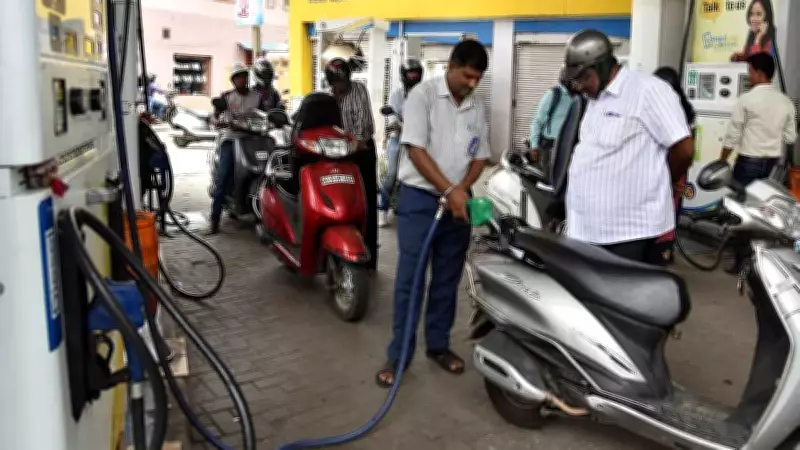
Government Slashes Excise Duty on Petrol and Diesel, But Pump Prices Remain Unchanged
The Indian government has implemented a significant reduction in excise duty on petrol and diesel, a move aimed at providing relief to consumers amid fluctuating global oil prices. This decision, announced recently, reflects the government's ongoing efforts to manage fuel costs and support economic stability. However, despite this duty cut, retail prices at fuel pumps across the country will not see any immediate decrease, leaving many consumers puzzled.
Why Pump Prices Are Not Falling
The primary reason for the unchanged pump prices lies in the simultaneous adjustments made to dealer commissions and state-level taxes. When the central government reduces excise duty, it often leads to a recalibration of other components in the fuel pricing structure. In this case, the reduction in excise duty has been offset by increases in dealer margins and state value-added taxes (VAT), ensuring that the overall retail price remains stable. This balancing act is designed to maintain revenue streams for both the central and state governments while avoiding sudden price shocks for consumers.
Impact on Consumers and the Economy

While the excise duty cut is intended to ease the burden on households and businesses, the lack of change in pump prices means that consumers may not experience direct financial benefits immediately. However, this policy could have indirect positive effects by stabilizing inflation and supporting sectors heavily reliant on fuel, such as transportation and logistics. Over time, if global oil prices remain favorable, further adjustments might lead to price reductions at the pumps.
Government's Rationale Behind the Move
The government's decision to cut excise duty is part of a broader strategy to manage fuel prices in a volatile global market. By reducing central taxes, the aim is to cushion the impact of rising international crude oil prices on the domestic economy. This approach allows for more flexible pricing mechanisms, enabling the government to respond swiftly to external economic pressures without destabilizing the domestic market.
Future Outlook and Consumer Expectations
Looking ahead, consumers are advised to monitor global oil trends and government announcements closely. While the current excise duty cut does not translate to lower pump prices, it sets a precedent for potential future reductions if economic conditions improve. The government may consider additional measures, such as further tax cuts or subsidies, to ensure affordable fuel prices in the long run.
In summary, the reduction in excise duty on petrol and diesel is a proactive step by the government, but its benefits are tempered by adjustments in other pricing components. As the situation evolves, stakeholders will be watching for any changes that could bring relief to end-users.