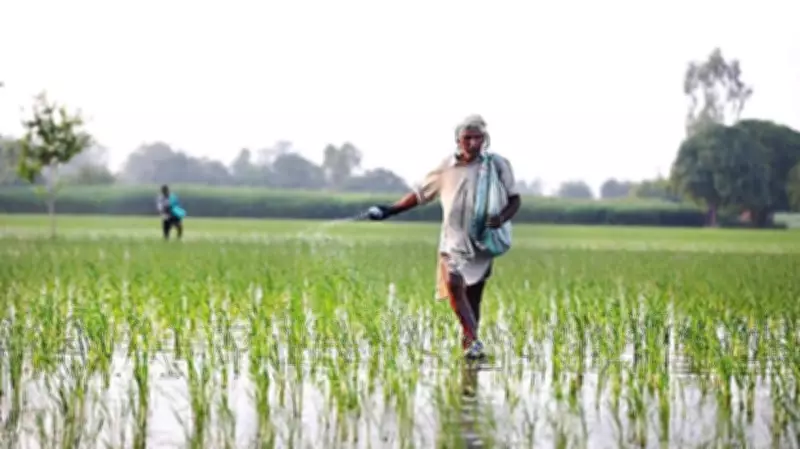
In a significant shift towards sustainable agriculture, Indian farmers have increasingly turned to organic manure during the kharif season, signalling a move away from chemical fertilisers. This trend, observed in 2025, highlights a growing awareness of environmental and health benefits associated with organic farming practices.
Domestic Production Meets Demand
According to recent data, nearly 73 per cent of the country's total fertiliser requirement in 2025 was met through domestic production. This self-sufficiency marks a milestone for India's agricultural sector, reducing dependence on imports and bolstering the economy.
Factors Driving the Shift
Several factors have contributed to the increased adoption of organic manure. Government initiatives promoting sustainable farming, subsidies on organic inputs, and rising consumer demand for organic produce have encouraged farmers to explore alternatives. Additionally, concerns over soil degradation and health risks from chemical residues have played a crucial role.

Farmers' Perspectives Many farmers report improved soil health and crop quality after switching to organic manure. "The soil feels alive again," said a farmer from Punjab, who has been using vermicompost for the past two seasons. "Our yields have stabilised, and we spend less on fertilisers."
Challenges and Future Outlook
Despite the positive trend, challenges remain. Organic manure is often labour-intensive and requires proper knowledge for effective use. However, with continued support from research institutions and extension services, the transition is expected to gain momentum.
Experts predict that if the current trajectory continues, organic manure could account for a significant portion of fertiliser use in the coming years, paving the way for a more sustainable agricultural future in India.