Goa Implements Mandatory QR Code Stickers on All Liquor Bottles for New Deposit Refund System
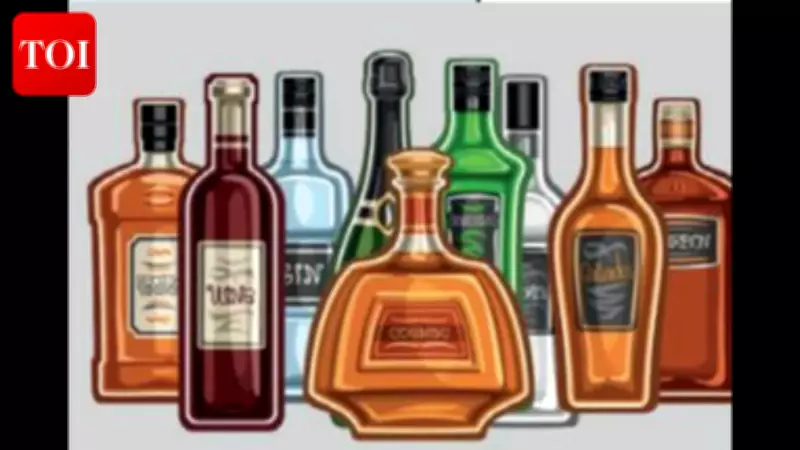
In a significant move to enhance accountability and promote recycling, the Goa government has announced that all liquor bottles sold in the state must now carry high-security, tamper-resistant stickers featuring QR codes. This initiative is part of the upcoming deposit refund scheme (DRS), scheduled to roll out from April, and aims to provide a robust digital track-and-trace mechanism for authorities.
Comprehensive Regulatory Amendment
According to a notification published in the official gazette, the Goa Excise Duty Rules, 1964, have been amended to enforce this requirement. The new rules apply broadly to manufacturers of Indian Made Foreign Liquor (IMFL), wine, beer, and country liquor, as well as bottling units and importers supplying packaged liquor to Goa from other states or internationally.
Naresh Gaude, Under Secretary for Finance, emphasized in the notification that no bottle will be permitted to leave a manufacturing unit, bottling unit, warehouse, or licensed premises without one of these labels affixed to it. This strict measure ensures compliance and sets the stage for the seamless implementation of the DRS.

How the Deposit Refund Scheme Works
The DRS system introduces a consumer-friendly approach to recycling. Buyers will be required to pay a deposit of Rs 10 when purchasing an alcohol bottle or can. This deposit can be claimed back from pre-determined recycling points upon returning the empty container. The scheme not only incentivizes recycling but also helps authorities track the source of purchases and process refunds efficiently.
The Goa DRS administration committee has set a strict deadline, with Saturday designated as the final day for all alcohol manufacturers and distributors to register under the scheme. This registration is crucial for ensuring that all stakeholders are aligned with the new requirements.
Centralized Label Procurement and Regulatory Fees
To maintain uniformity and security, the excise commissioner will procure the QR code labels centrally from a designated agency on behalf of all manufacturers, bottlers, and importers. This centralized approach aims to prevent fraud and ensure that all labels meet the required standards.
The notification issued by Gaude also states that licensees will not be permitted to claim any wastage allowance. Every lost or damaged label will attract a wastage regulatory fee, adding a financial incentive for careful handling and compliance.
Flexibility for Importers and Phased Implementation
Importers have been given flexibility in affixing the labels. They can choose to do so either at the manufacturer's end before the consignment leaves or at their own warehouse or licensed premises within Goa. This option accommodates different logistical setups and helps streamline the process.
Furthermore, the rules empower the excise commissioner, with prior government approval, to roll out the system in phases. This phased approach may cover different categories of liquor, pack sizes, manufacturers, and geographic areas, allowing for adjustments based on initial feedback and operational challenges.
Over time, the QR code data is expected to be integrated with any deposit refund scheme, potentially replacing separate DRS labels. This integration could lead to a more efficient and unified system for tracking and recycling across the state.
Overall, this initiative represents a forward-thinking step by the Goa government to modernize liquor regulation, promote environmental sustainability, and enhance consumer engagement through technology-driven solutions.