Government Issues Clarification on Mandatory LPG Biometric Authentication
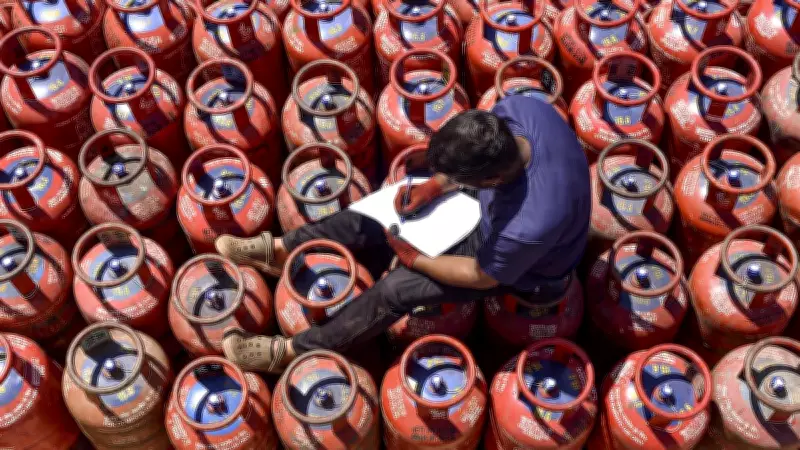
The Indian government has provided a crucial clarification regarding the mandatory biometric authentication for LPG connections, specifying that this requirement applies exclusively to subsidized cylinders under the Pradhan Mantri Ujjwala Yojana (PMUY) scheme. This move aims to dispel widespread confusion and ensure that only eligible beneficiaries receive subsidies while preventing fraudulent activities in the distribution system.
Scope of Biometric Authentication Limited to Subsidized Cylinders
According to the official statement released by the Ministry of Petroleum and Natural Gas, biometric authentication through the eKYC (electronic Know Your Customer) process is not mandatory for all LPG consumers. Instead, it is specifically required for those availing subsidized cylinders under the PMUY, which targets economically weaker sections of society. This clarification comes in response to reports and public queries suggesting that biometric checks were being enforced universally across all LPG transactions.
The government emphasized that the primary objective of this measure is to enhance the transparency and efficiency of subsidy delivery. By linking biometric data to PMUY accounts, authorities can verify the identity of beneficiaries at the point of cylinder delivery, thereby reducing the risk of duplicate or fake connections that divert subsidies from intended recipients.

Background and Implementation Details
The Pradhan Mantri Ujjwala Yojana, launched in 2016, aims to provide clean cooking fuel to women from below-poverty-line households by offering LPG connections with financial support. Over the years, the scheme has expanded to cover millions of families, but concerns have arisen about misuse, such as multiple connections under single identities or non-eligible individuals claiming benefits.
To address these issues, the government introduced biometric authentication as part of the eKYC process for PMUY beneficiaries. This involves using Aadhaar-based verification or other biometric systems during cylinder bookings and deliveries. The clarification states that non-PMUY consumers, including those with commercial or non-subsidized domestic connections, are not subject to this mandatory biometric check, though they may opt for it voluntarily for added security.
Impact on Consumers and Distribution Network
This clarification is expected to alleviate concerns among general LPG users who feared additional hassles in accessing cylinders. For PMUY beneficiaries, the biometric requirement ensures that subsidies are accurately targeted, potentially improving the scheme's effectiveness. Oil marketing companies and distributors have been instructed to implement the rule strictly for subsidized cylinders while avoiding unnecessary inconvenience to other customers.
The government has also highlighted that this step aligns with broader digital initiatives to streamline welfare programs and reduce leakages. By leveraging technology like biometrics, authorities aim to create a more robust system for subsidy management, which could save significant public funds and enhance service delivery in the long run.
Future Directions and Public Awareness
Looking ahead, the government plans to continue monitoring the implementation of biometric authentication for PMUY and may extend similar measures to other subsidy schemes if proven successful. Public awareness campaigns are being rolled out to educate beneficiaries about the process and address any operational challenges, such as connectivity issues in rural areas or difficulties with biometric devices.
In summary, the clarification underscores the government's commitment to targeted welfare while minimizing disruptions for the broader population. It reaffirms that biometric authentication is a tool for fraud prevention in subsidized LPG distribution, not a blanket requirement for all consumers, thereby balancing security with convenience in the energy sector.