India Mandates E20 Petrol with 95 RON from April 2026 to Cut Imports and Emissions
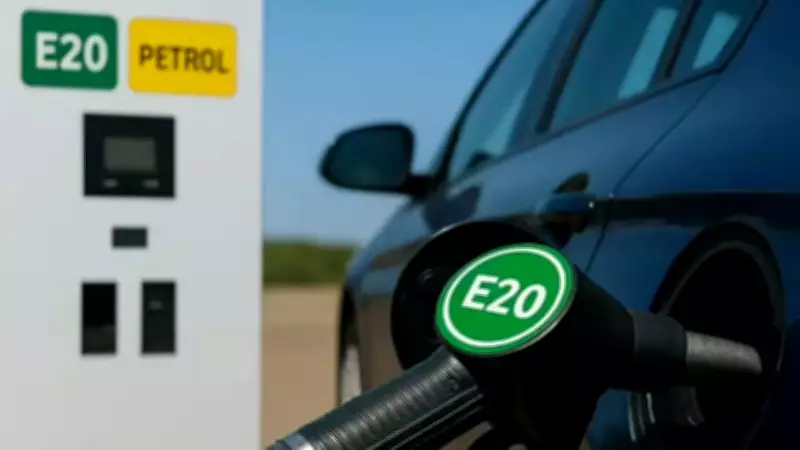
In a significant move to transform the nation's energy landscape, the Indian government has announced a new fuel standard that will take effect from April 1, 2026. From that date, all petrol sold across India must comply with stringent requirements, specifically being E20 petrol blended with up to 20 percent ethanol and possessing a minimum Research Octane Number (RON) of 95.
Government Directive and Implementation Details
The directive was officially issued by the Ministry of Petroleum and Natural Gas, outlining clear guidelines for oil companies nationwide. Under this new rule, ethanol-blended petrol must meet Bureau of Indian Standards specifications and carry at least 95 RON, ensuring uniform quality across all states and Union Territories.
However, the government has included provisions for flexibility in special circumstances. Temporary exceptions may be granted in specific regions or situations if deemed necessary, allowing for a phased or adaptive implementation without compromising overall goals.

Benefits of Ethanol Blending Programme
Ethanol, produced from agricultural sources such as sugarcane, maize, and other grains, plays a pivotal role in this initiative. The blending programme aims to achieve multiple strategic objectives:
- Reducing Crude Oil Imports: By substituting petrol with domestically produced ethanol, India can decrease its reliance on imported crude oil, enhancing energy security.
- Lowering Emissions: Ethanol-blended fuels contribute to reduced greenhouse gas emissions, supporting environmental sustainability and climate goals.
- Supporting Farmers: Increased demand for agricultural produce used in ethanol production provides economic benefits to farmers, boosting rural economies.
According to government data, India has already saved more than Rs 1.40 lakh crore in foreign exchange since 2014-15 through petrol substitution with ethanol, highlighting the programme's proven economic impact.
Technical Specifications and Vehicle Compatibility
The requirement for a minimum RON of 95 is crucial for ensuring smoother engine operation and performance. RON measures a fuel's resistance to knocking, a phenomenon where fuel burns unevenly inside the engine, potentially causing damage. Higher octane fuel, such as 95 RON, is more stable under pressure, reducing the risk of engine issues.
Ethanol itself boasts a naturally high octane rating of around 108 RON. Blending ethanol with petrol not only improves knock resistance but also enhances engine efficiency, making vehicles run more effectively.
Most vehicles manufactured between 2023 and 2025 are already designed to run on E20 petrol, and major compatibility issues are not expected with these models. This forward-looking design aligns with the government's timeline, facilitating a smoother transition for consumers and the automotive industry.
Future Implications and Industry Readiness
This mandate represents a proactive step towards a greener and more self-reliant energy future for India. By setting clear standards and deadlines, the government encourages oil companies, vehicle manufacturers, and agricultural sectors to prepare and innovate.
The move is expected to drive investments in ethanol production infrastructure, create new market opportunities for farmers, and position India as a leader in sustainable fuel practices. As the 2026 deadline approaches, stakeholders across the supply chain will need to collaborate to ensure seamless adoption and maximize the programme's benefits for the economy and environment.