India Announces Additional Commercial LPG Allocation to States Supporting PNG Transition
The Government of India has unveiled a strategic initiative to address ongoing LPG supply concerns by offering states and Union Territories an additional 10% allocation of commercial LPG. This incentive is specifically tied to their support for a long-term transition from LPG to Piped Natural Gas (PNG), as confirmed during an inter-ministerial briefing on Wednesday.
LPG Situation Remains Worrisome Amid Global Disruptions
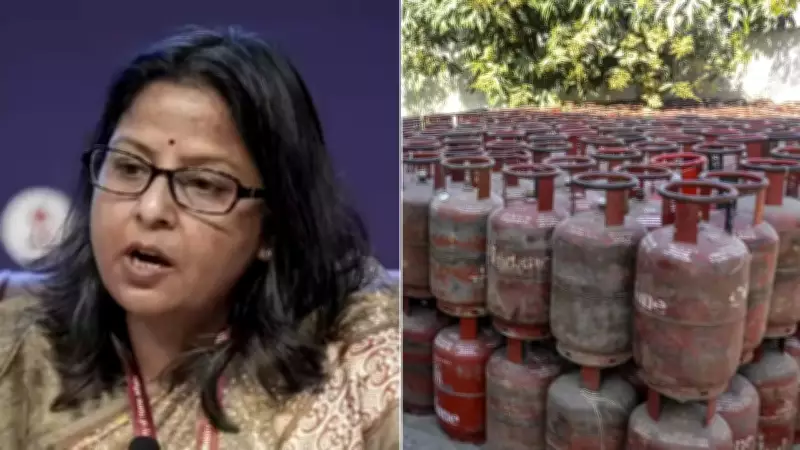
Sujata Sharma, Joint Secretary in the Ministry of Petroleum and Natural Gas, emphasized that the LPG issue continues to be worrisome despite some improvements. She noted that while online booking systems have seen enhancements, long queues at distributors persist, highlighting ongoing challenges in the supply chain.
"The LPG issue is still worrisome. There is an improvement in online booking. But it is also true that there are long lines at distributors," Sharma stated during the briefing. She reiterated that while concerns remain, there is no immediate supply collapse, and no LPG distributor is currently facing a dry-out situation.

Detailed Policy Measures Linked to Additional Allocation
The Centre has formally communicated this offer through a government letter dated March 18, 2026, linking the extra LPG allocation to specific policy actions by states. These measures are designed to accelerate the adoption of PNG and improve gas distribution infrastructure.
The additional allocation breakdown includes:
- 1% extra allocation for forming state and district-level committees to approve City Gas Distribution (CGD) applications and address grievances.
- 2% extra allocation for issuing orders granting deemed CGD permissions.
- 3% extra allocation for implementing a "Dig and restore" scheme for CGD entities.
- 4% extra allocation for reducing annual rental or lease charges.
This structured approach aims to incentivize states to actively participate in the transition to PNG, which is seen as a more sustainable and efficient energy solution.
Current LPG Supply and Delivery Status
Sharma provided updates on the current LPG supply situation, noting that supplies and cylinder deliveries for all domestic consumers are continuing as usual. She highlighted significant improvements in online booking systems, with nearly 94% of cylinder bookings now being made online. Additionally, the delivery authentication code system has reached 76% efficiency.
Regarding commercial LPG supplies, Sharma mentioned that these were initially completely halted but have since been partially restored, indicating gradual recovery in the commercial sector.
Global Context and Alternative Measures
The government's move comes amid escalating tensions in West Asia involving Iran, the United States, and Israel, which have disrupted global energy supply chains. Vessel movement through the Strait of Hormuz, a critical route carrying about one-fifth of global oil and a significant share of LPG shipments, has been affected, exacerbating supply concerns.
To curb shortages and prevent malpractice, state governments have intensified enforcement measures, including raids to check hoarding and black marketing of LPG cylinders. Simultaneously, sectors like hospitality and restaurants are increasingly turning to alternative fuels such as kerosene and coal to ease pressure on LPG supplies.
Advisory on Judicious Consumption
Earlier on Tuesday, Sharma advised judicious consumption of LPG and encouraged the use of alternate sources for cooking where possible. The government has consistently urged consumers to adopt energy-efficient practices to mitigate supply constraints.
"On the issue of LPG, I would like to reiterate that the situation still remains a matter of concern. However, no LPG distributor is facing a dry-out situation at present," Sharma affirmed, balancing caution with reassurance about ongoing supply continuity.
This comprehensive policy framework reflects the Centre's proactive approach to managing energy resources while promoting a sustainable transition to PNG, even as global disruptions pose persistent challenges to LPG availability.