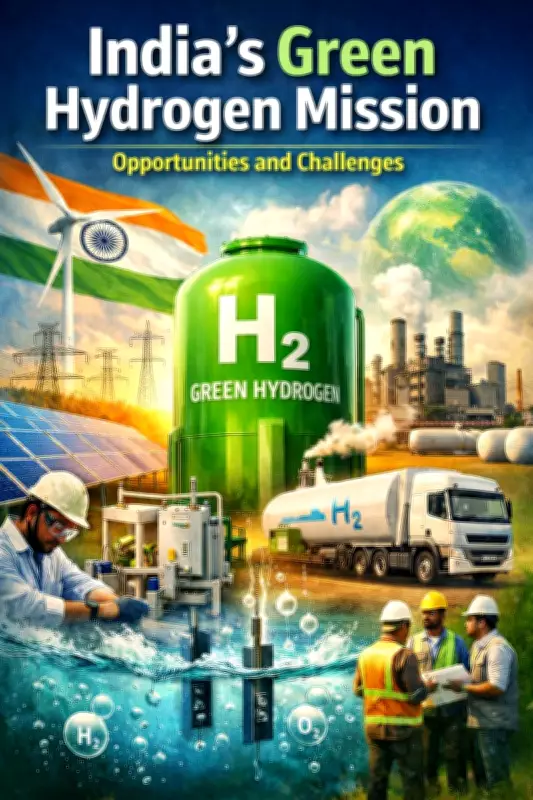
India's Green Hydrogen Mission: A Comprehensive Analysis of Opportunities and Implementation Hurdles
India's ambitious push toward green hydrogen represents a transformative strategy that could fundamentally reshape the nation's energy security and climate commitments. With industrial expansion and rising living standards driving rapid growth in energy demand, the country faces the dual challenge of meeting this need while honoring its pledge to achieve net-zero emissions by 2070 and reduce dependence on fossil fuel imports.
The National Green Hydrogen Mission: A Crucial Pillar of Clean Energy Transition
Launched in 2023, the National Green Hydrogen Mission has emerged as a central component of India's clean energy roadmap. This initiative is designed to position India as a global leader in green hydrogen production and utilization, leveraging the country's abundant renewable resources to create a sustainable energy ecosystem.
The mission's significance cannot be overstated, as it addresses multiple strategic objectives simultaneously. By developing a robust green hydrogen economy, India aims to enhance energy independence, create new industrial opportunities, and make substantial progress toward its climate goals.

Opportunities for Transformation
The potential opportunities presented by India's green hydrogen mission are vast and multifaceted. Key areas of impact include:
- Energy Security Enhancement: Reducing reliance on imported fossil fuels by developing domestic green hydrogen production capabilities.
- Industrial Decarbonization: Providing clean energy solutions for hard-to-abate sectors such as steel, cement, and chemicals manufacturing.
- Economic Growth: Creating new industries, jobs, and export opportunities in green hydrogen technologies and applications.
- Climate Leadership: Demonstrating India's commitment to global climate action through innovative clean energy solutions.
Implementation Challenges and Hurdles
Despite the promising opportunities, the successful implementation of India's green hydrogen mission faces several significant challenges that must be addressed systematically:
- Infrastructure Development: Building the extensive infrastructure required for green hydrogen production, storage, transportation, and distribution represents a massive undertaking that requires substantial investment and coordination.
- Policy Stability and Framework: Establishing clear, consistent, and long-term policy frameworks that provide certainty for investors and developers is essential for attracting the necessary capital and expertise.
- Technological Breakthroughs: Advancing electrolyzer technologies, improving efficiency, and reducing costs through research and innovation are critical for making green hydrogen economically competitive with conventional energy sources.
- Supply Chain Development: Creating robust domestic supply chains for green hydrogen equipment and components to reduce dependence on imports and build local manufacturing capabilities.
- Market Creation and Demand: Stimulating demand for green hydrogen through supportive regulations, incentives, and demonstration projects across various sectors of the economy.
The Road Ahead: Strategic Priorities for Success
The path forward for India's green hydrogen mission requires a coordinated, multi-pronged approach that addresses both opportunities and challenges simultaneously. Key strategic priorities include:
Accelerated Research and Development: Investing in cutting-edge research to improve green hydrogen production technologies, enhance storage solutions, and develop new applications across different industries. Public-private partnerships will be crucial in driving innovation and scaling promising technologies.
Infrastructure Planning and Development: Implementing comprehensive infrastructure plans that identify optimal locations for green hydrogen hubs, develop transportation networks, and create storage facilities. This requires careful coordination between central and state governments, industry stakeholders, and international partners.

Policy Consistency and Support: Maintaining policy stability while providing targeted incentives for green hydrogen projects, including production-linked incentives, tax benefits, and streamlined regulatory approvals. Clear roadmaps and targets will help guide investment decisions and project development.
International Collaboration: Leveraging global partnerships for technology transfer, knowledge sharing, and market access. India can benefit from international best practices while contributing its own innovations to the global green hydrogen ecosystem.
Workforce Development: Building the skilled workforce needed to support the green hydrogen industry through specialized training programs, academic courses, and industry-academia partnerships.
As India moves forward with its green hydrogen mission, the country stands at a critical juncture in its energy transition journey. The successful implementation of this ambitious initiative could not only transform India's energy landscape but also position the nation as a global leader in clean energy innovation. The coming years will be crucial for translating vision into reality through concerted efforts across government, industry, and research institutions.