

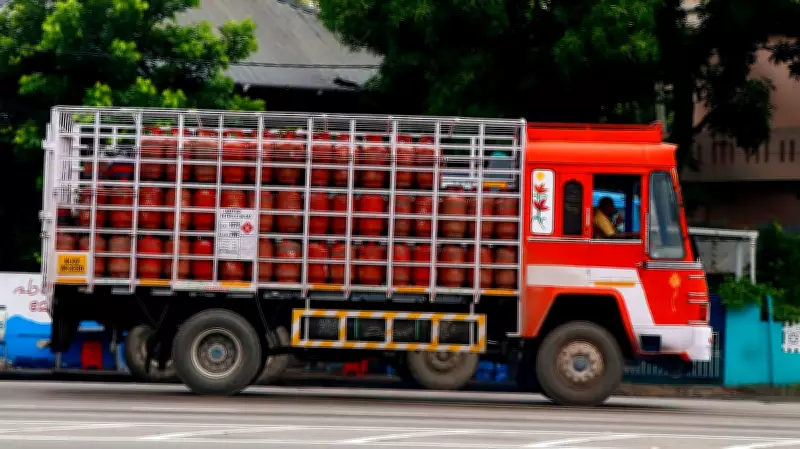
Government Mandates PNG Switch for Households, Threatens LPG Supply Cessation
The Indian government has issued a significant directive that could impact millions of households across the country. According to a recent order, households that have access to Piped Natural Gas (PNG) infrastructure will be required to switch from Liquefied Petroleum Gas (LPG) cylinders. Failure to comply with this mandate will result in the discontinuation of LPG supply to these residences.
Details of the Government Order
The order, which aims to promote the use of cleaner and more efficient energy sources, stipulates that in areas where PNG networks are operational and accessible, consumers must transition to this piped gas system. This move is part of a broader strategy to enhance energy security, reduce dependency on imported LPG, and lower carbon emissions. The government emphasizes that PNG offers a safer, more convenient, and environmentally friendly alternative to traditional LPG cylinders.
Key provisions of the order include:

- Mandatory conversion to PNG for households in serviced areas.
- Cessation of LPG supply to non-compliant households after a specified grace period.
- Support measures to facilitate the switch, such as subsidies or installation assistance.
Rationale Behind the Policy Shift
This policy is driven by multiple factors. PNG is considered a more sustainable energy source due to its lower greenhouse gas emissions compared to LPG. Additionally, it reduces the logistical challenges and safety risks associated with cylinder handling and storage. The government also aims to curb the substantial subsidy burden on LPG, which has been a long-standing fiscal concern. By encouraging PNG adoption, authorities hope to streamline energy distribution and promote urban gas grid development under initiatives like the Urja Ganga project.
Experts suggest that this transition could lead to long-term cost savings for consumers, as PNG tariffs are often more stable and competitive than fluctuating LPG prices.
Potential Impacts and Consumer Response
The order is expected to affect urban and semi-urban households first, where PNG infrastructure is more prevalent. Consumer groups have raised concerns about the upfront costs of switching, including installation charges and potential appliance modifications. However, the government has indicated that it may offer financial incentives or phased implementation to ease the burden.
Public reaction has been mixed, with some welcoming the move for its environmental benefits, while others worry about accessibility and affordability in remote or underdeveloped regions. The success of this policy will largely depend on the expansion of PNG networks and the effectiveness of support mechanisms for vulnerable households.
This directive marks a pivotal step in India's energy transition, aligning with global trends towards cleaner fuels and integrated gas distribution systems.






